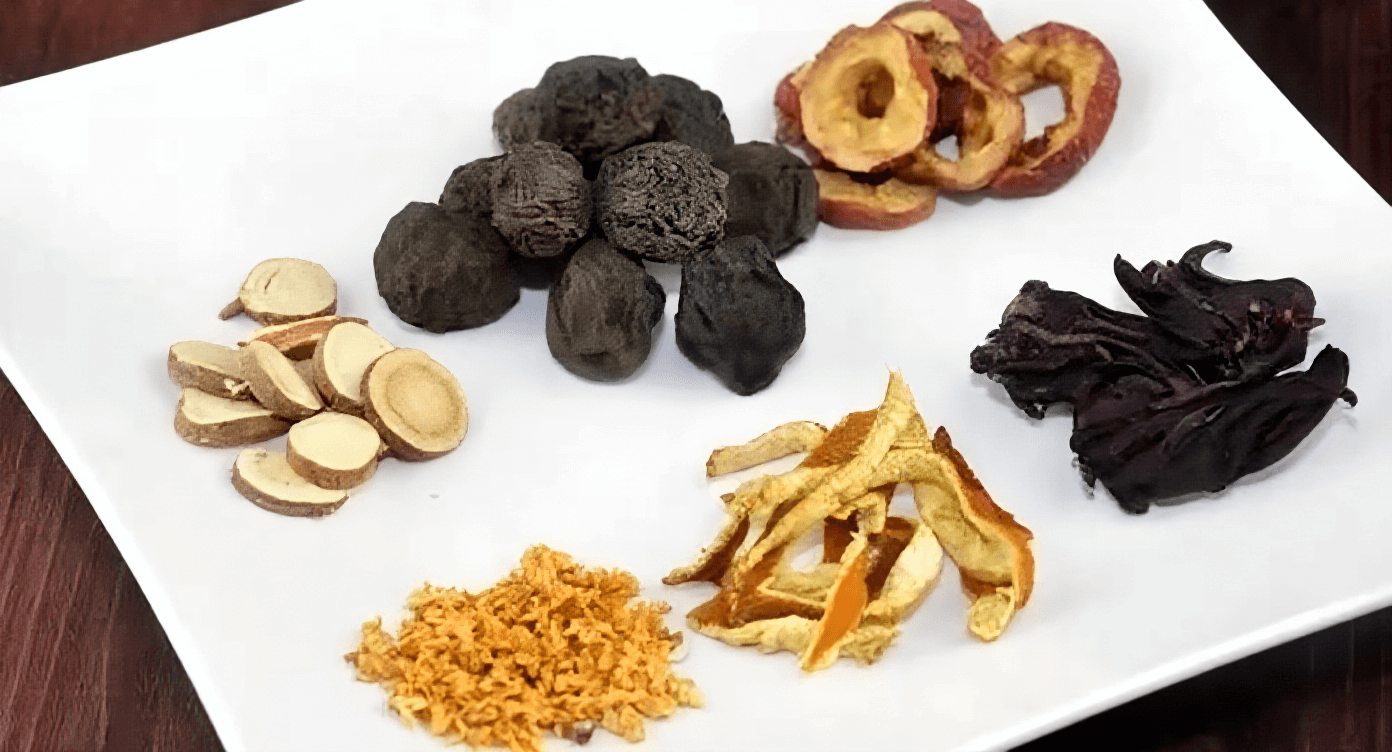
Dangshen, fuling, baizhu, zhi gancao, and chenpi are commonly used herbs in traditional Chinese medicine. The following is a neutral overview of their traditional uses and application contexts within TCM theory.
Common uses of dangshen, fuling, baizhu, zhi gancao, and chenpi
1. Dangshen: traditional use focused on qi and spleen support
In traditional practice, dangshen is associated with “tonifying qi” and “strengthening the spleen.” It often appears in formulas for qi-deficiency related contexts such as fatigue, poor appetite, palpitations, and unsettled sleep.
It is also commonly included in traditional pairing ideas related to metabolism and blood pressure themes.
2. Fuling: traditional use related to draining dampness
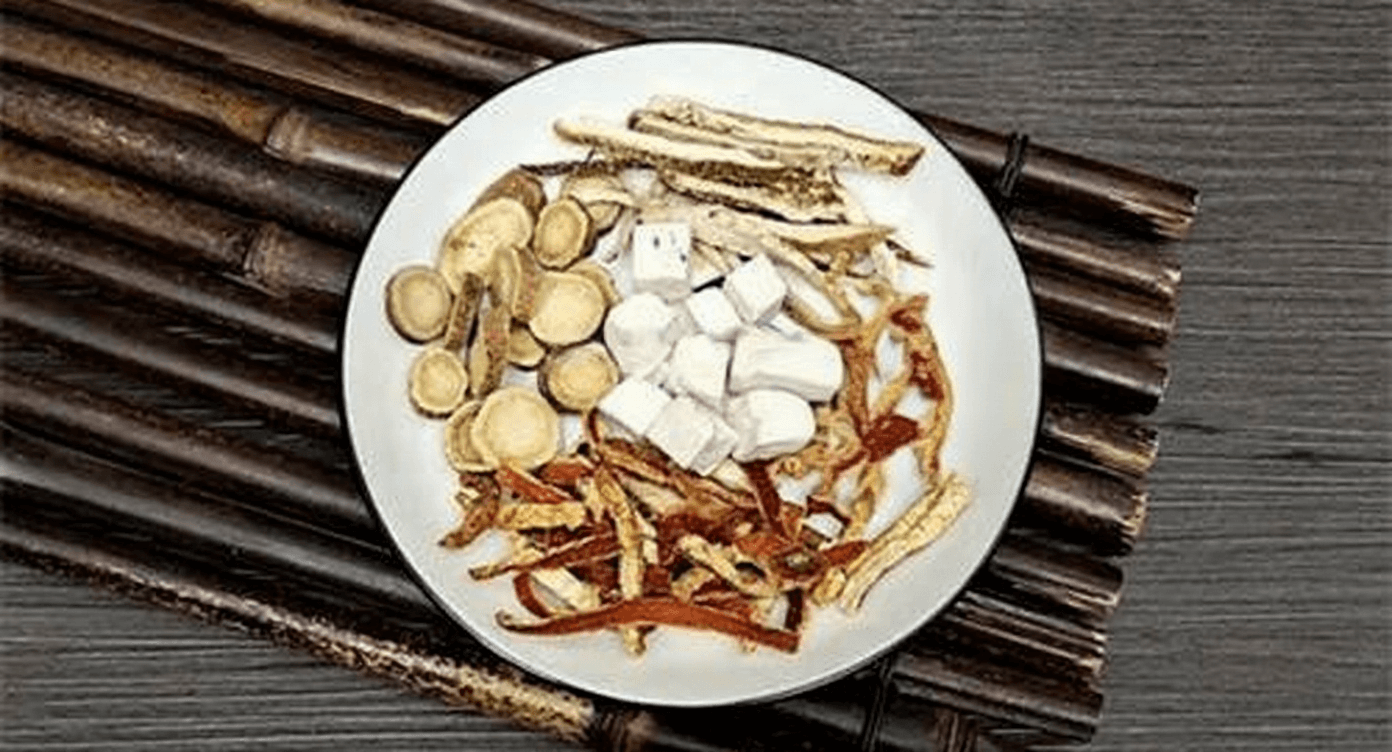
Fuling is traditionally linked to “draining dampness” and is often used in contexts involving edema, diarrhea, and urinary difficulty.
In some traditional practices, fuling is also paired with themes related to damp-heat skin conditions and women’s cycle regulation.
3. Baizhu: traditional use centered on spleen support
Baizhu is commonly associated with “strengthening the spleen” and appears in traditional pairings for contexts such as weak digestion, poor appetite, and diarrhea.
It is also used in some formulas that relate to traditional “middle qi” concepts.
4. Zhi gancao: traditional use for harmonizing formulas
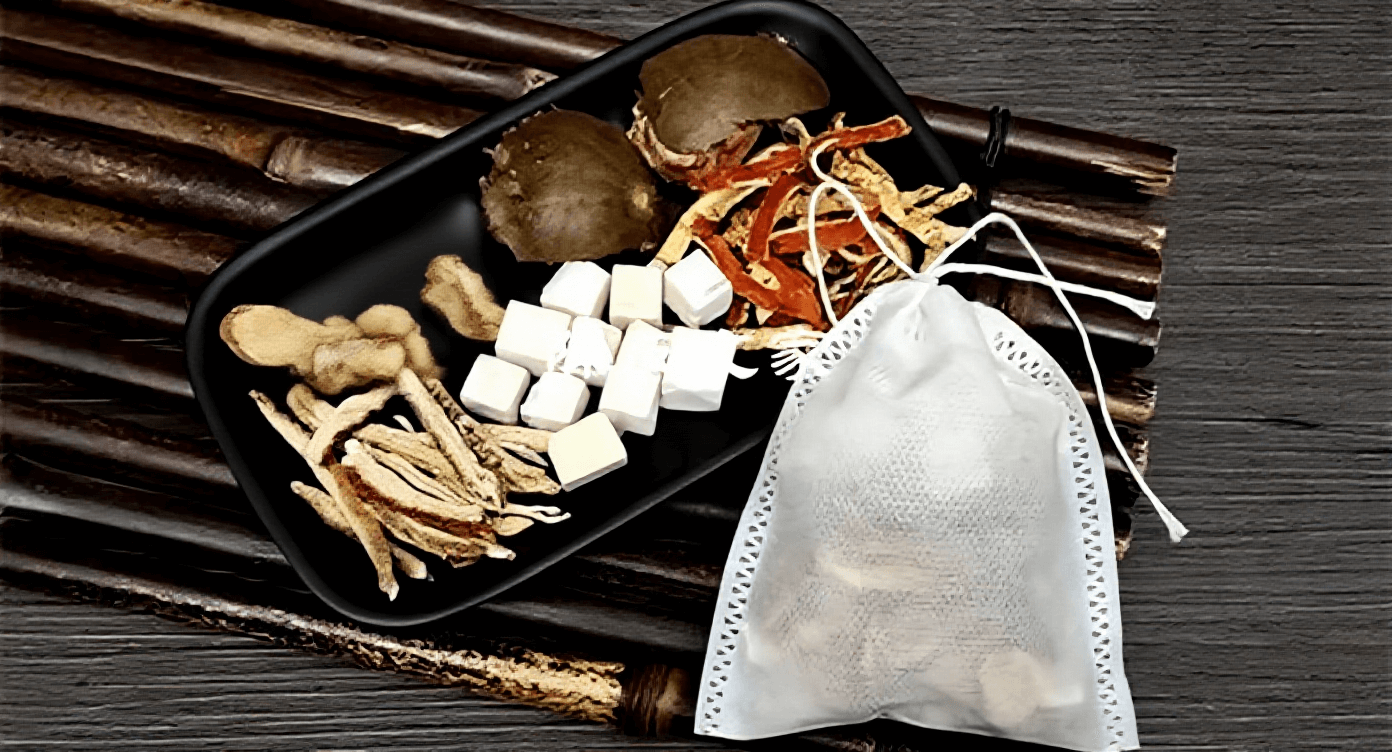
Zhi gancao is traditionally used in combinations described as “tonifying the middle” and “harmonizing the stomach,” often in contexts involving weakness, low energy, or gastric discomfort.
It is also commonly regarded as an herb that helps harmonize multiple ingredients in a formula.
5. Chenpi: traditional use related to regulating qi
Chenpi is traditionally associated with “regulating qi,” “stimulating appetite,” and “transforming phlegm.” It often appears in traditional pairings for themes such as chest tightness, epigastric fullness, poor appetite, and nausea.
In some traditional uses, chenpi is also paired with themes related to breast distension and stomach acid.