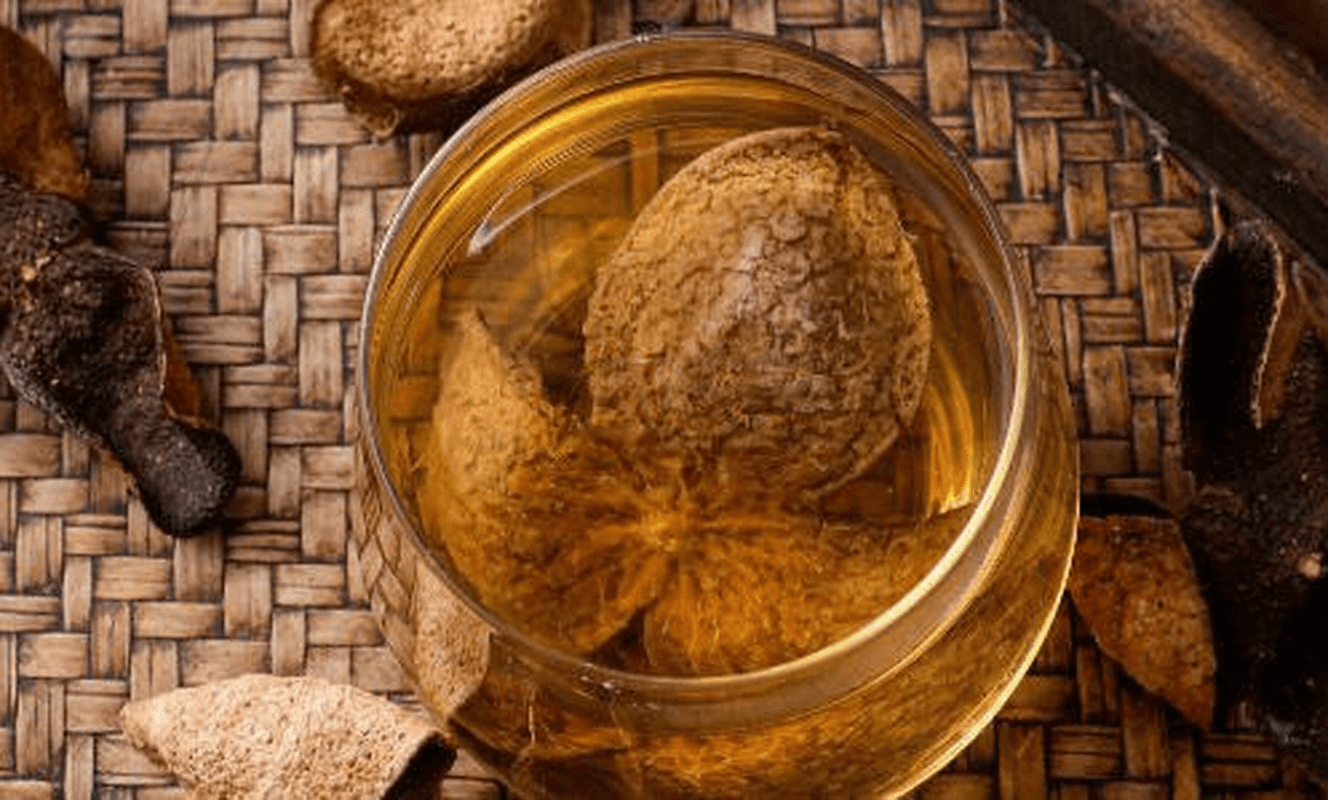
Differences in chenpi flavor are influenced by variety, origin, fruit maturity, aging time, processing, and brewing methods.
Variety and Origin
Variety is a foundational factor, and local soil and climate conditions also affect peel composition and flavor.
Fruit Maturity
Peel can be categorized as green, partially red, or fully red depending on harvest maturity. Less mature peel tends to taste more bitter, while more mature peel is generally smoother.
Aging Time
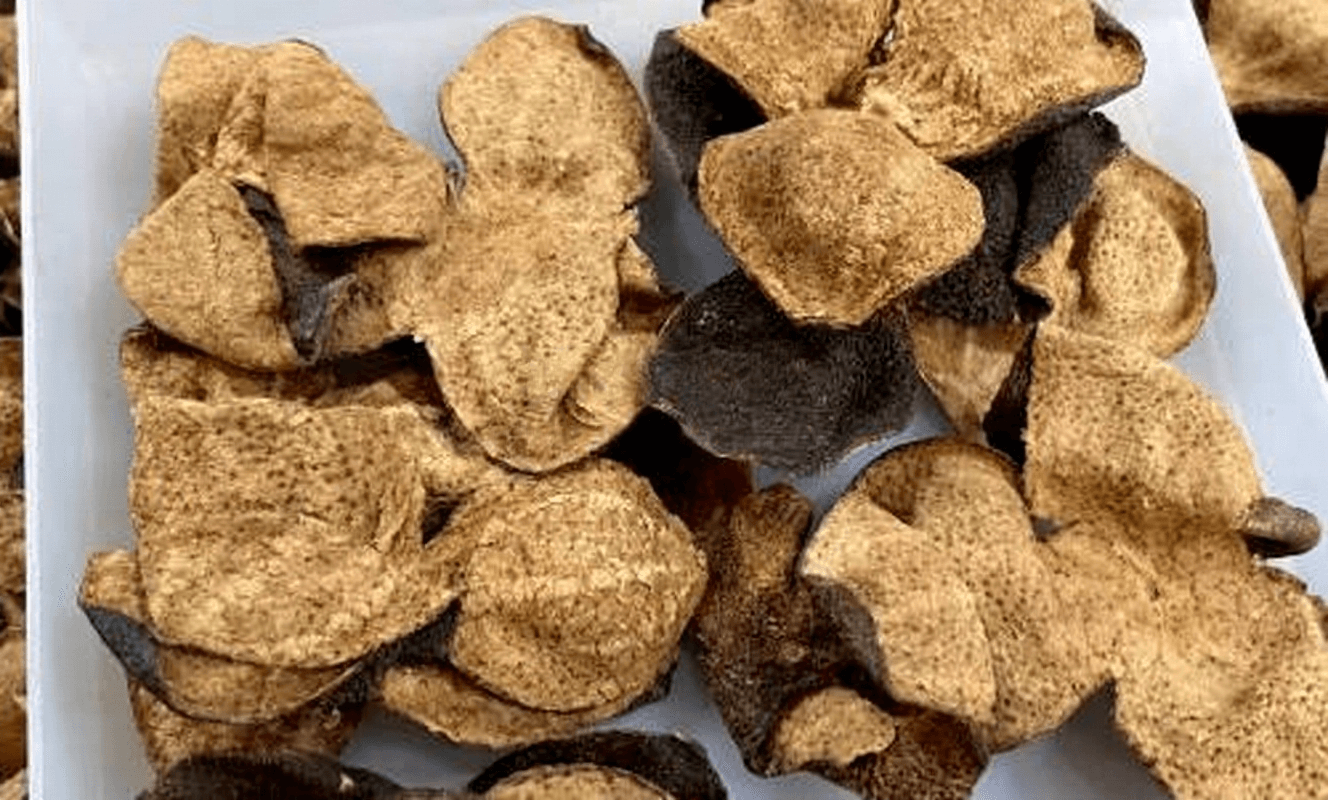
Aging typically softens bitterness and makes the aroma more restrained. Higher-aged chenpi often has a rounder taste.
Processing and Aging Practices
Traditional methods emphasize gradual, natural aging, and differences in processing can change aroma layers and taste balance.
Storage Conditions
Ventilation and dryness affect chenpi condition. Dampness or mold can damage the original flavor.
Brewing and Cooking
Water temperature, steeping time, and ratio influence bitterness and aroma release. Simmering and steeping can yield different flavor profiles.
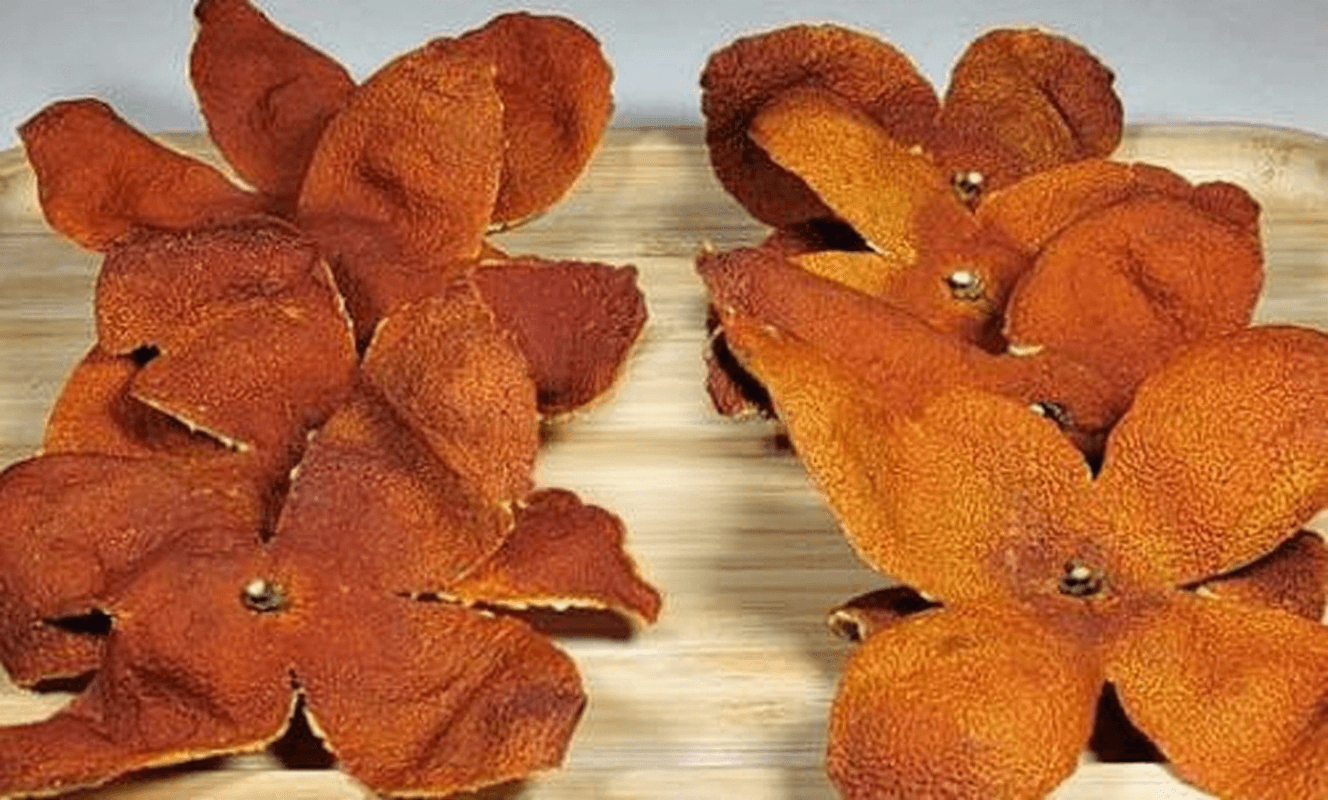
Overall, chenpi flavor differences are usually the result of multiple factors combined.