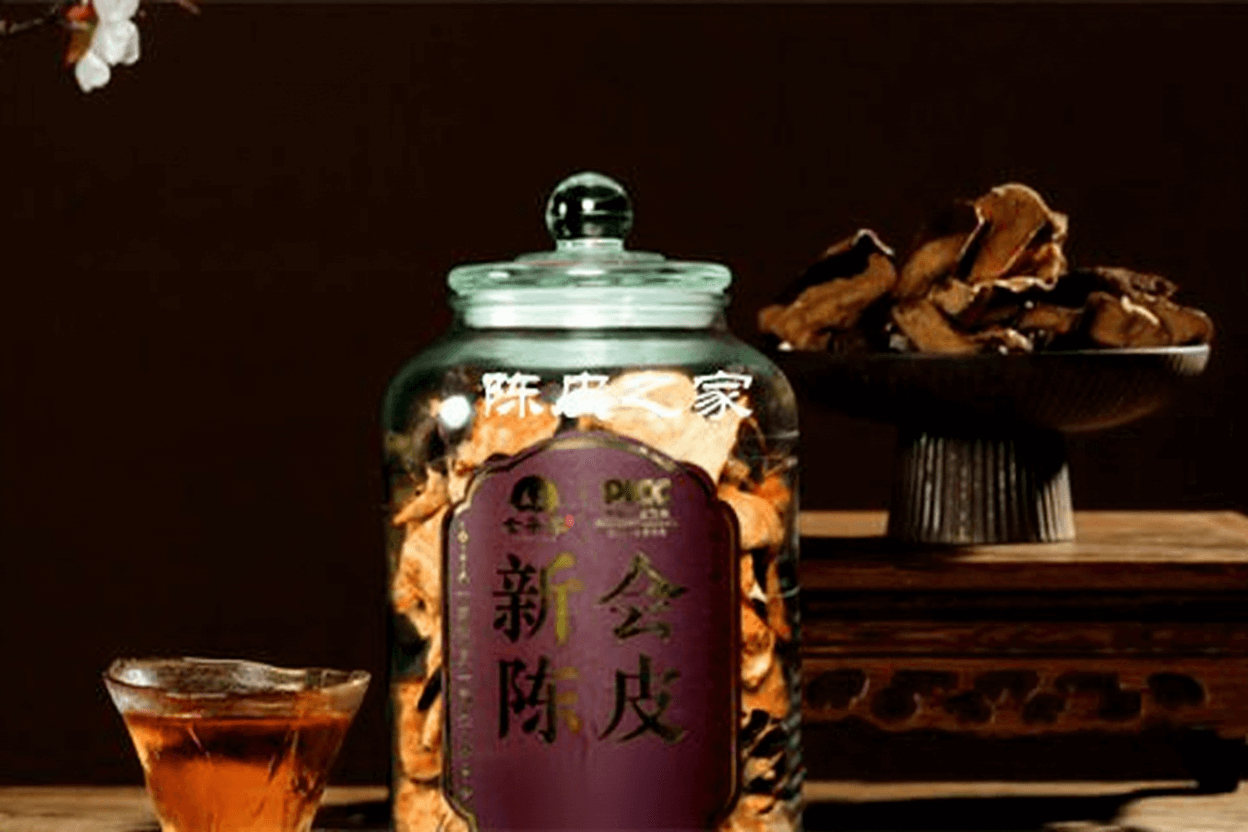
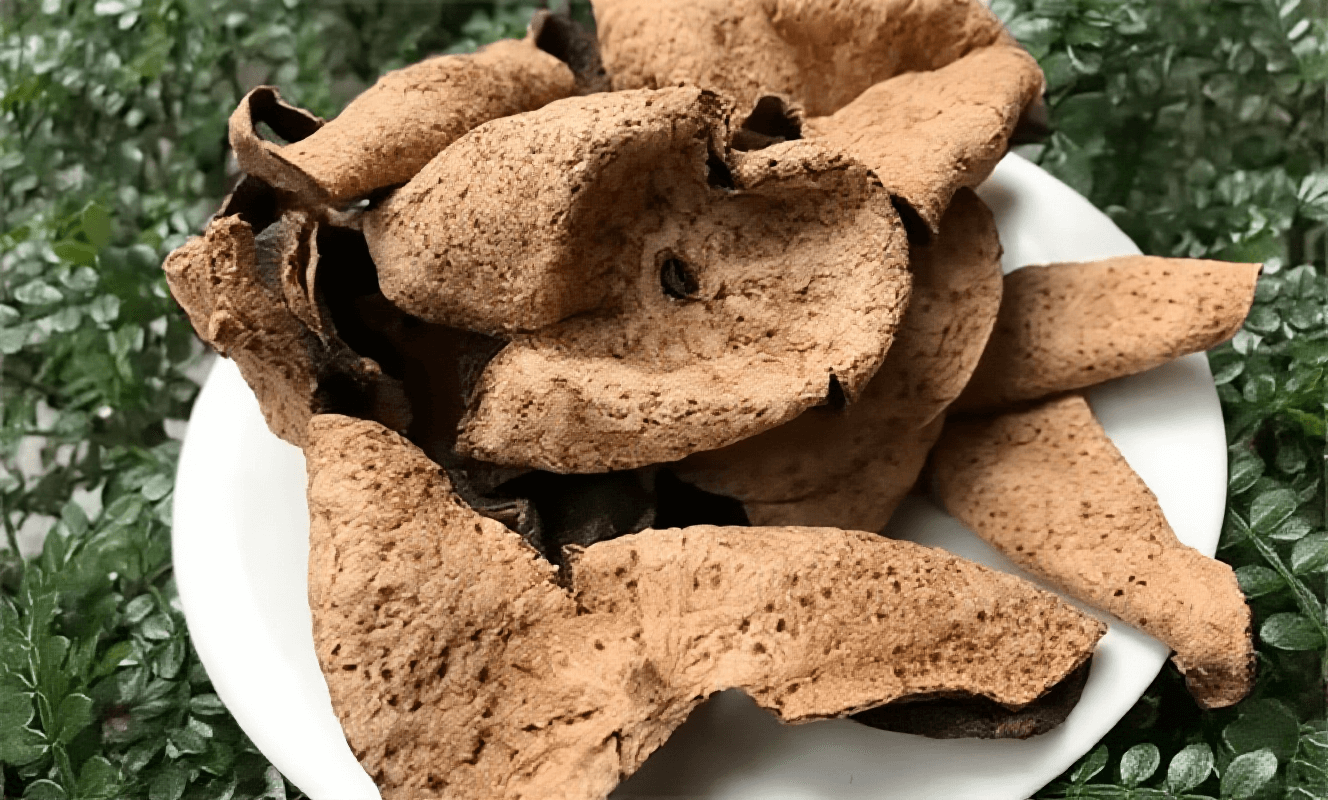
In Pubei, tea-branch citrus peel is aged into chenpi, and its value is closely linked to transparent supply-chain management. Blockchain, IoT, and data analytics are used to record key steps from cultivation to storage so the process is traceable and verifiable.
Traceability in a Visualized Supply Chain
Some producers have built a "one item, one code" system that assigns a digital identity to trees and products. Data such as soil tests, fertilization records, harvest time, processing methods, and storage temperature and humidity are collected by sensors and stored on-chain.
Case reports indicate:
- Price premium: after blockchain certification, fresh-fruit purchase prices increased by about 40% compared with traditional models, raising average farmer income by about 22,000 RMB per year;
- Risk control: in 2024, one batch of fresh fruit was intercepted due to abnormal sticky-trap data, preventing roughly 200 tons of problematic products from entering the market;
- Financial services: with aging data notarized on-chain, a related enterprise obtained about 210 million RMB in credit loans, reducing financing costs by about 3.2 percentage points.
Cultivation and Ecological Management
At some bases, sticky traps and smart insecticidal lamps form a three-dimensional pest-control network, replacing conventional pesticide-centered approaches. Together with practices such as "microbial fertilizer + no-till cover," soil organic matter increased by about 30% and soil erosion decreased by about 50%. The system also obtained SGS certification for 203 pesticide-residue items with zero detection, which supports access to the EU market.

This "zero chemical fertilizer, zero pesticides, zero synthetic hormones" cultivation model has driven a green transition among roughly 500 nearby farmers.
Processing and Data Management
Related practices across cultivation and processing include:
- Germplasm purification: using methods such as manual bark girdling and soil-wrapping to propagate air-layered citrus, ensuring genetic purity of mother trees;
- Process standardization: establishing more than 200 enterprise standards such as the "two-cut" peeling method and sun-drying sheds to make traditional techniques reproducible;
- Data-driven grading: AI spectral instruments are used to judge chenpi age with errors controlled within ±3 months, improving assessment efficiency.
Overall, the visualized supply-chain approach emphasizes recorded and verifiable processes, supporting quality control, risk management, and industrial collaboration.