
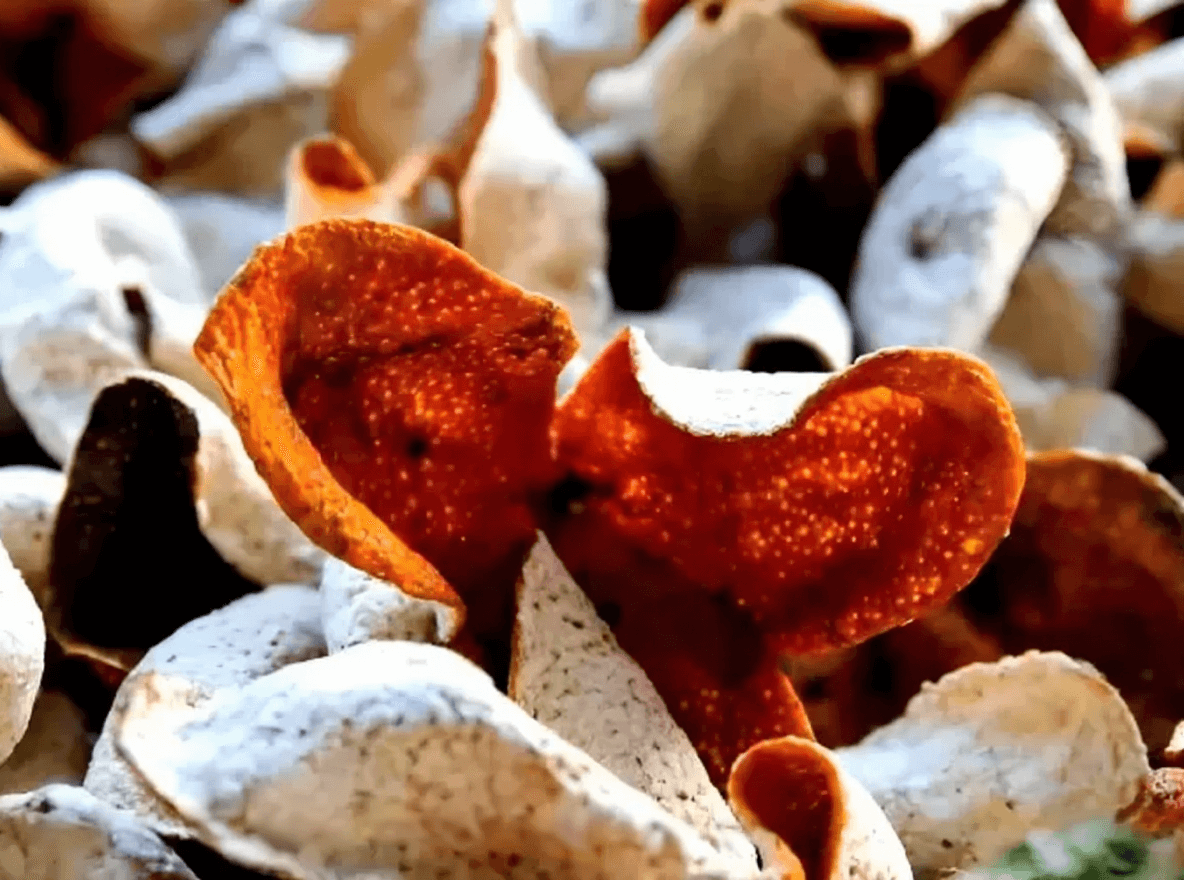
Many people assume chenpi is simply dried citrus peel, but in practice it needs a period of aging to be regarded as chenpi. This is why the common question is: how long should chenpi age before use?
There is no single fixed number. Different types of chenpi and different processing methods require different aging times.
How Long Should Chenpi Age
A common distinction is between Pubei chenpi and ordinary chenpi.
Pubei chenpi is primarily made by natural drying and aging. It is generally considered to require at least about three years to show clear aging characteristics; when used for brewing, more years are often associated with a softer, smoother taste.
Ordinary chenpi is often produced with methods such as the “three-steam, three-sun” process. During high-temperature steaming and drying, some components in the peel may volatilize or transform, which can shorten the aging time. Some chenpi can be used after more than one year of aging, while others need more than two years to approach a mature state. Compared with Pubei chenpi, ordinary chenpi is often regarded as different in flavor and traditional recognition, and its taste may also vary.
Common Uses and Traditional Understanding
Chenpi is also known as orange peel, red peel, Guang chenpi, Pubei peel, and aged tangerine peel, and is a widely used traditional medicinal material. In traditional applications, it is commonly associated with regulating qi, supporting digestion, drying dampness, and resolving phlegm, and it is also used in contexts such as abdominal fullness, digestive discomfort, nausea or vomiting, chest tightness, poor appetite, dry stools, cold or damp phlegm, cough with phlegm, and a sense of blockage or distension.
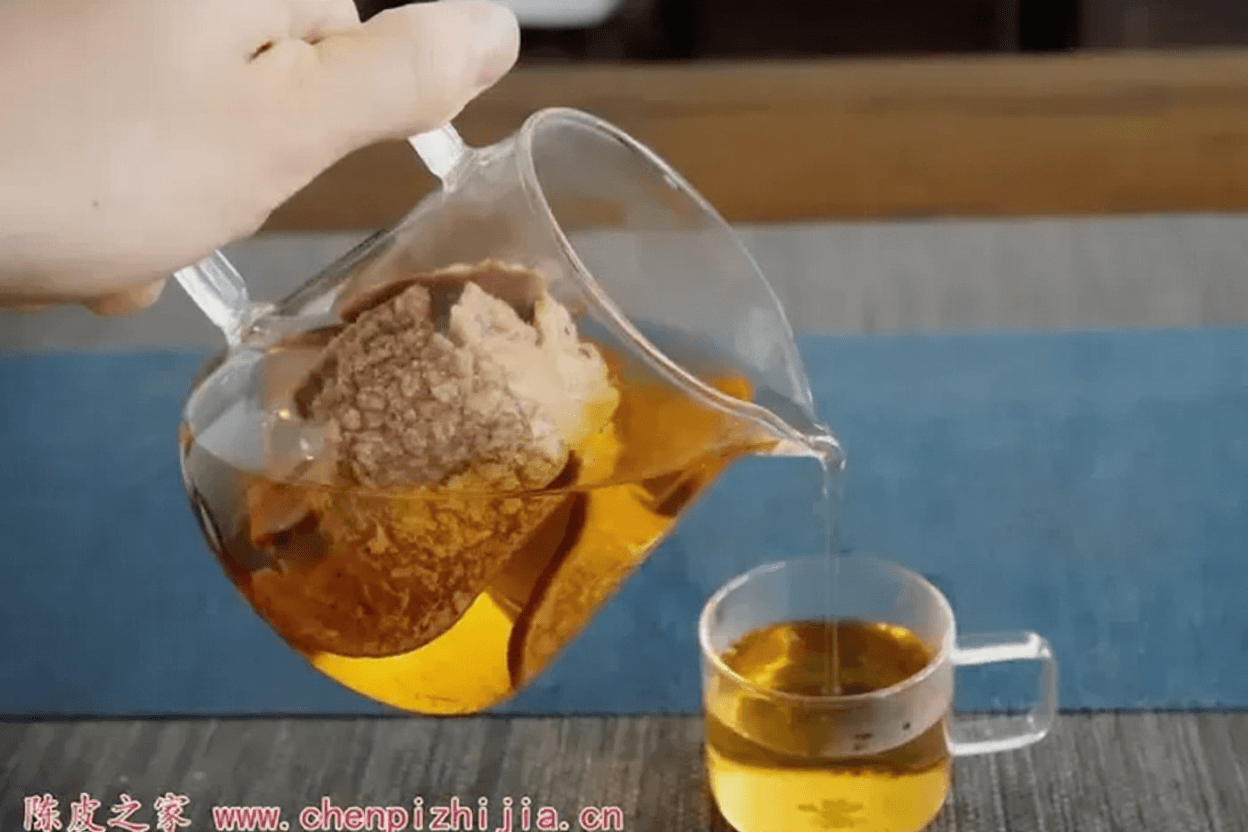
Chenpi contains vitamin C and a range of minerals. Many people brew chenpi as a daily drink; some sources also describe it as possibly giving a refreshed feeling, though experiences vary.
Overall, aging for at least one year is commonly recommended before use, and aging for three or more years is often regarded as more suitable when conditions allow. If you plan to use it for health-related purposes or have underlying conditions, consult a professional first.