Chenpi is common in both pharmacy and tea contexts, but it differs in source, uses, and quality requirements. Key points are summarized below.
1. Different Sources
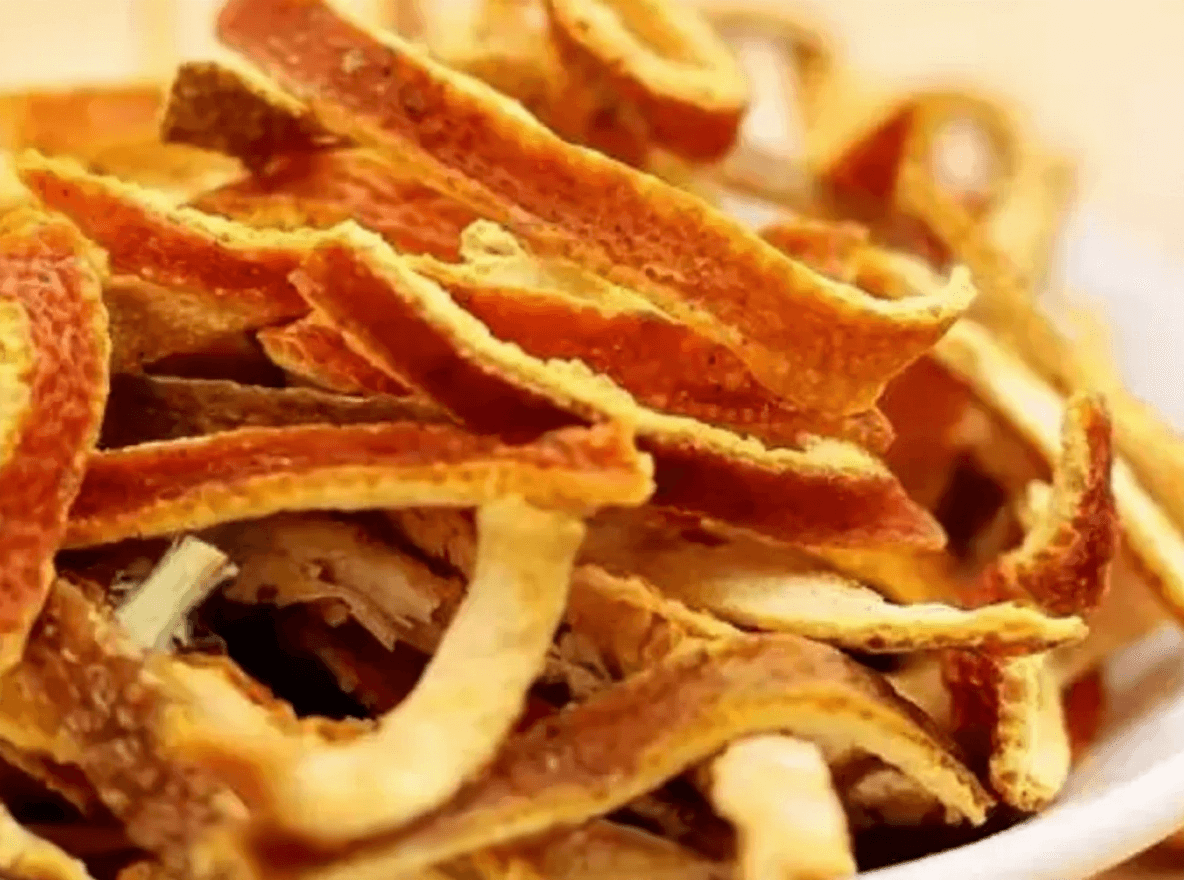
Medicinal chenpi generally refers to dried and stored citrus peel from fruits such as oranges, mandarins, and lemons. The peel contains essential oils and aromatic compounds and is processed for use in traditional prescriptions.
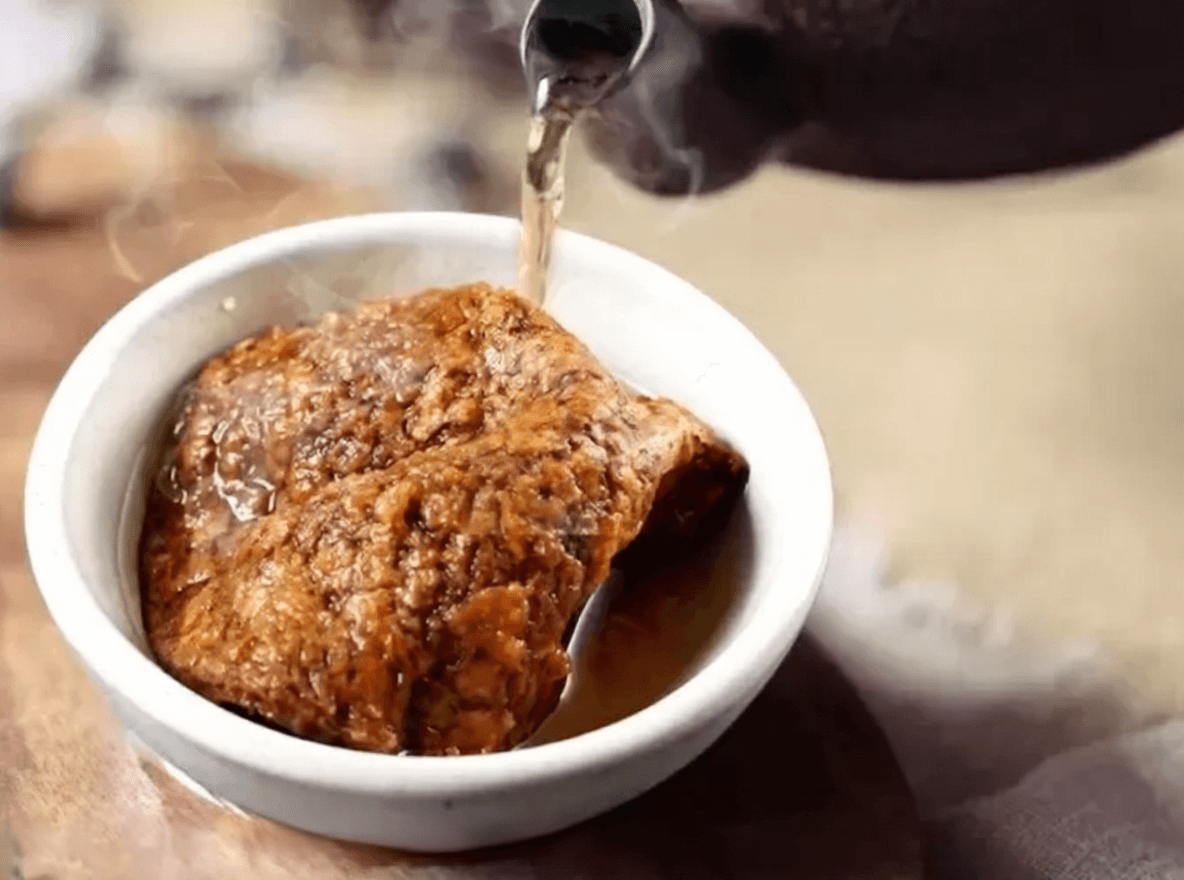
Tea-use chenpi is typically sun-dried and commonly refers to Pubei chenpi used for brewing. It is often yellow-brown in color with a noticeable aroma and taste.
2. Different Uses
Medicinal chenpi is mainly used in decoctions and formulations, and it can also be used as a food flavoring or in products such as candies and tea drinks.
Tea-use chenpi is primarily used for brewing, either with tea or alone, to add aroma and taste. It is also used in cooking, such as in dishes like chenpi chicken or chenpi beef.
3. Different Quality Requirements
As a medicinal material, chenpi generally has stricter quality requirements. The peel should come from fresh, healthy fruit and undergo standardized drying and storage. Qualified medicinal chenpi often has intact appearance, good color, and clear aroma.
Tea-use chenpi tends to emphasize aroma and color, with relatively lower requirements for peel integrity and texture. Its quality is closely related to the drying process and storage conditions.
Overall, medicinal and tea-use chenpi differ in source, uses, and quality standards, so selection should reflect the intended use and taste preference.