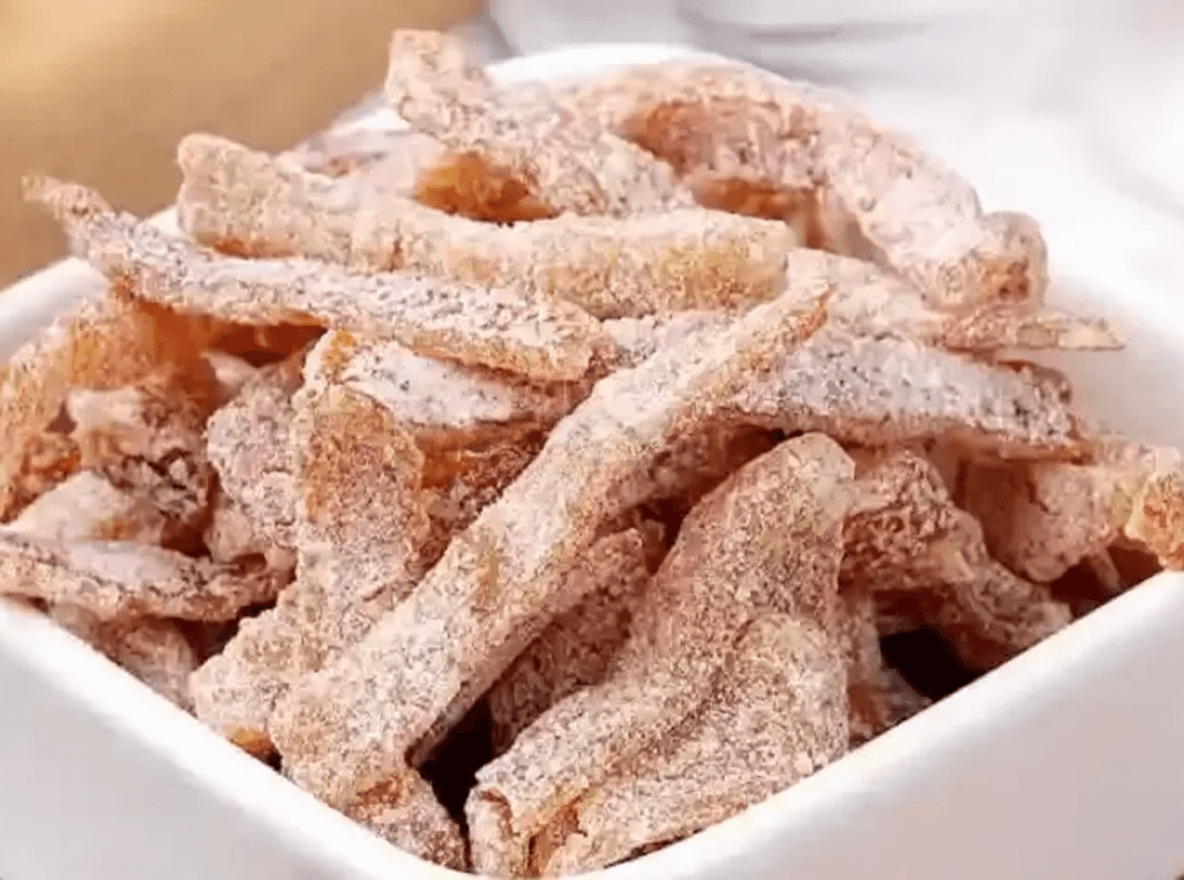
Nine-processed chenpi sold in supermarkets and traditional chenpi are different product types, with clear differences in materials, processing, and use cases.
Raw Materials
- Nine-processed chenpi: typically uses common citrus peels with a broad range of varieties and origins;
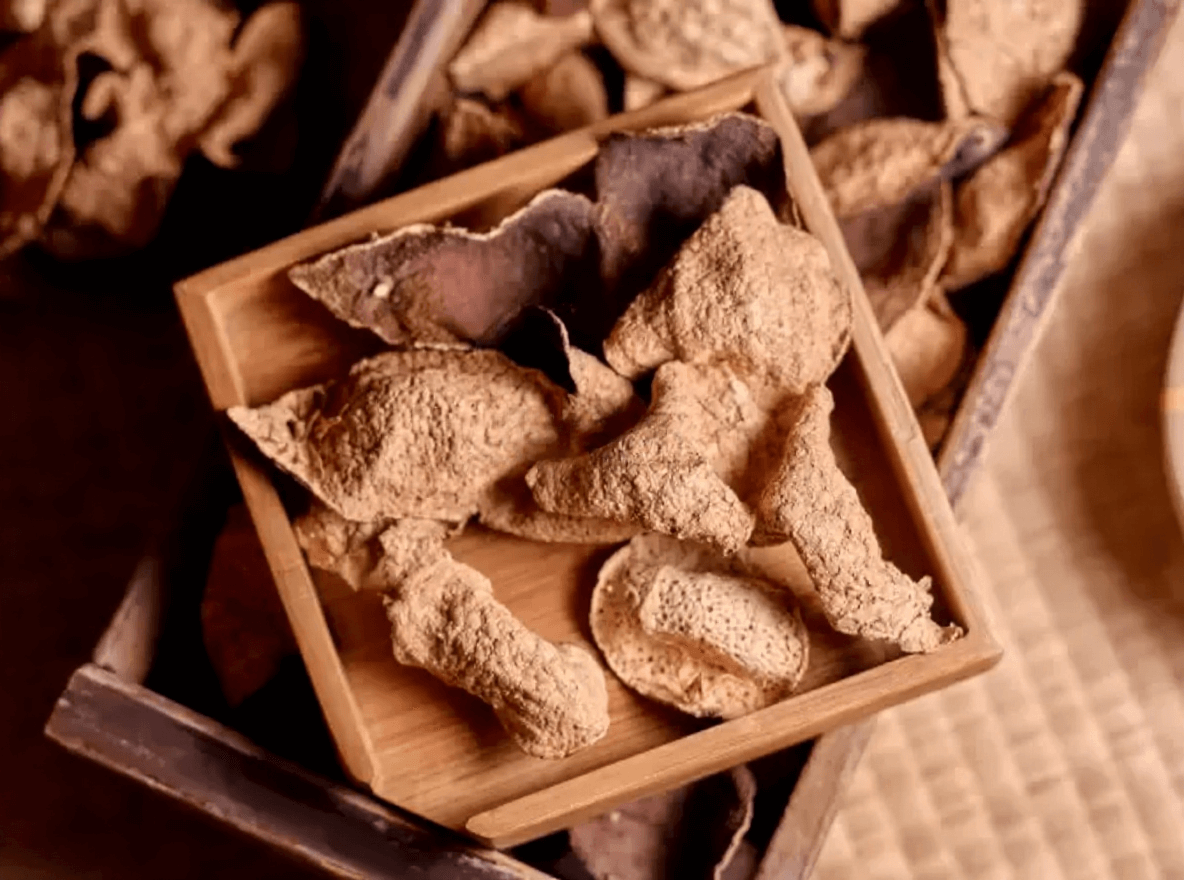
- Pubei chenpi: uses tea-branch citrus peel from the Pubei region, emphasizing specific variety and origin conditions.
Processing
- Nine-processed chenpi: a preserved-snack product made through steps such as selecting peels, soaking, curing, drying, and seasoning to create sweet, salty, and sour flavors;
- Pubei chenpi: primarily relies on sun-drying and long-term aging, with steps such as harvesting, washing, peeling, sunning, drying, and storage.
Typical Uses
- Nine-processed chenpi: usually consumed as a snack or flavor food;
- Pubei chenpi: commonly used in cooking and brewing, and also appears in traditional usage contexts.
Overall, the two products serve different purposes, so selection can be based on intended use and taste preference.