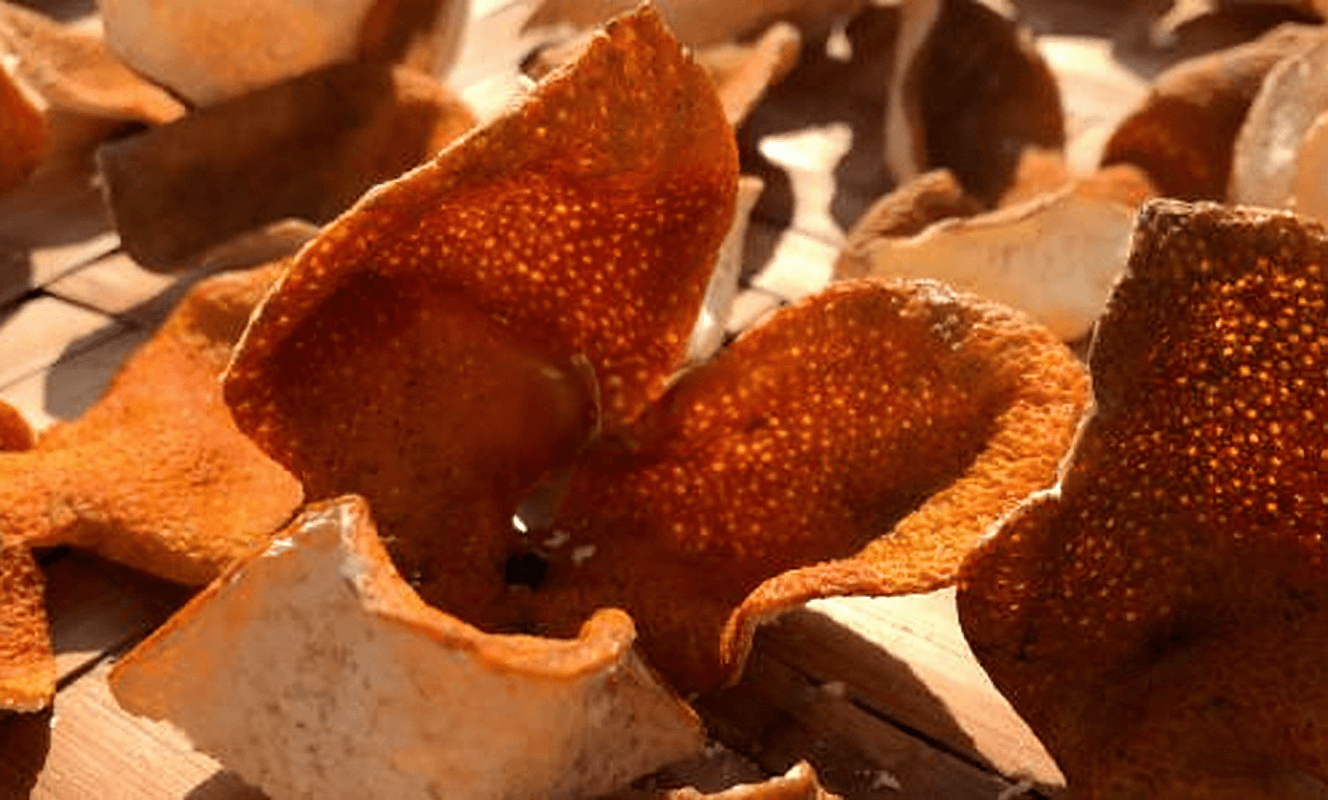
Chenpi typically shows a pungent and bitter profile, and its aroma and taste change noticeably with aging.
Low-Aged Chenpi (1–3 Years)
Citrus notes are more prominent, retaining a fresher aroma. Bitterness and astringency are more direct, with a shorter aftertaste. Tea infusions are often pale yellow, and citrus aroma and bitterness appear quickly on the palate.
Mid-Aged Chenpi (3–10 Years)
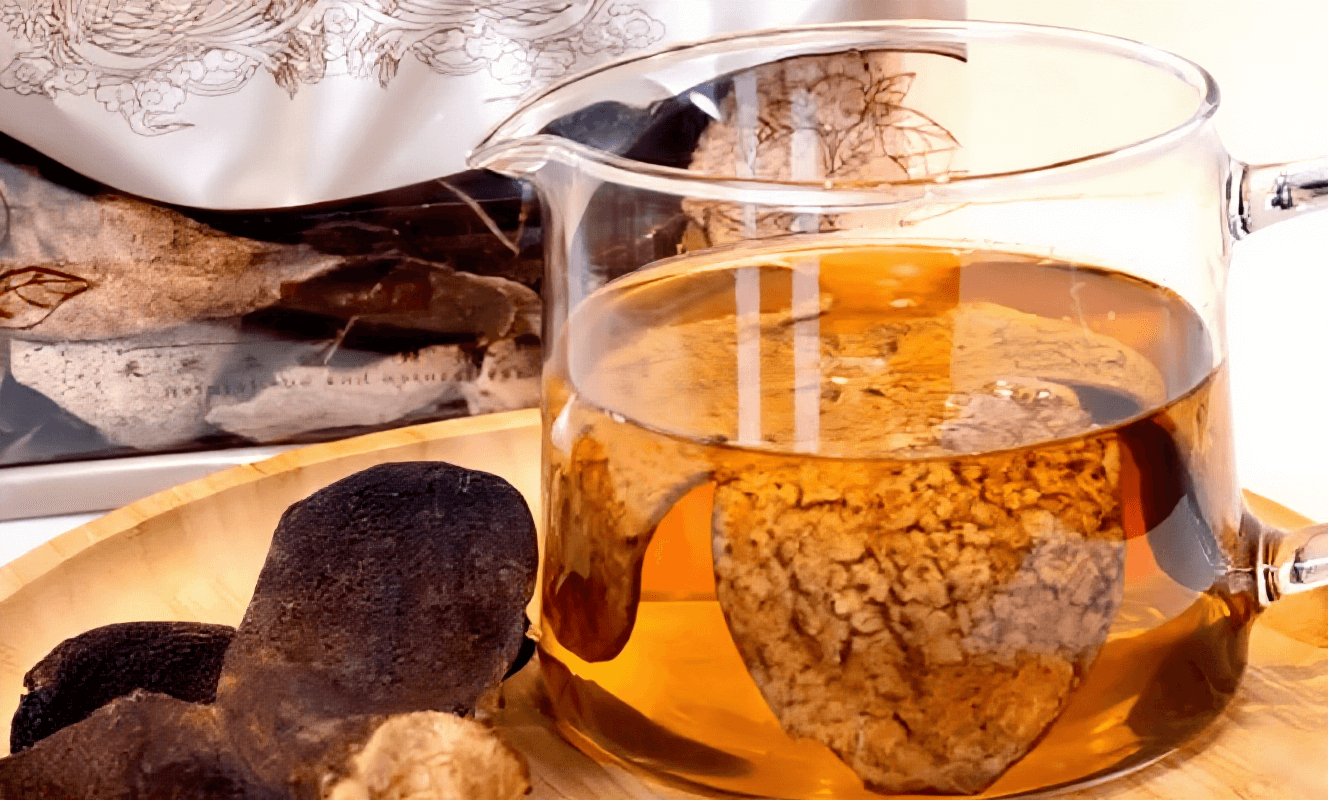
Bitterness and astringency gradually soften, and the aroma shifts from citrus to aged notes. The mouthfeel becomes fuller and less sharp. Infusions deepen to yellow-brown or light brown, and the aftertaste becomes gentler with more complexity.
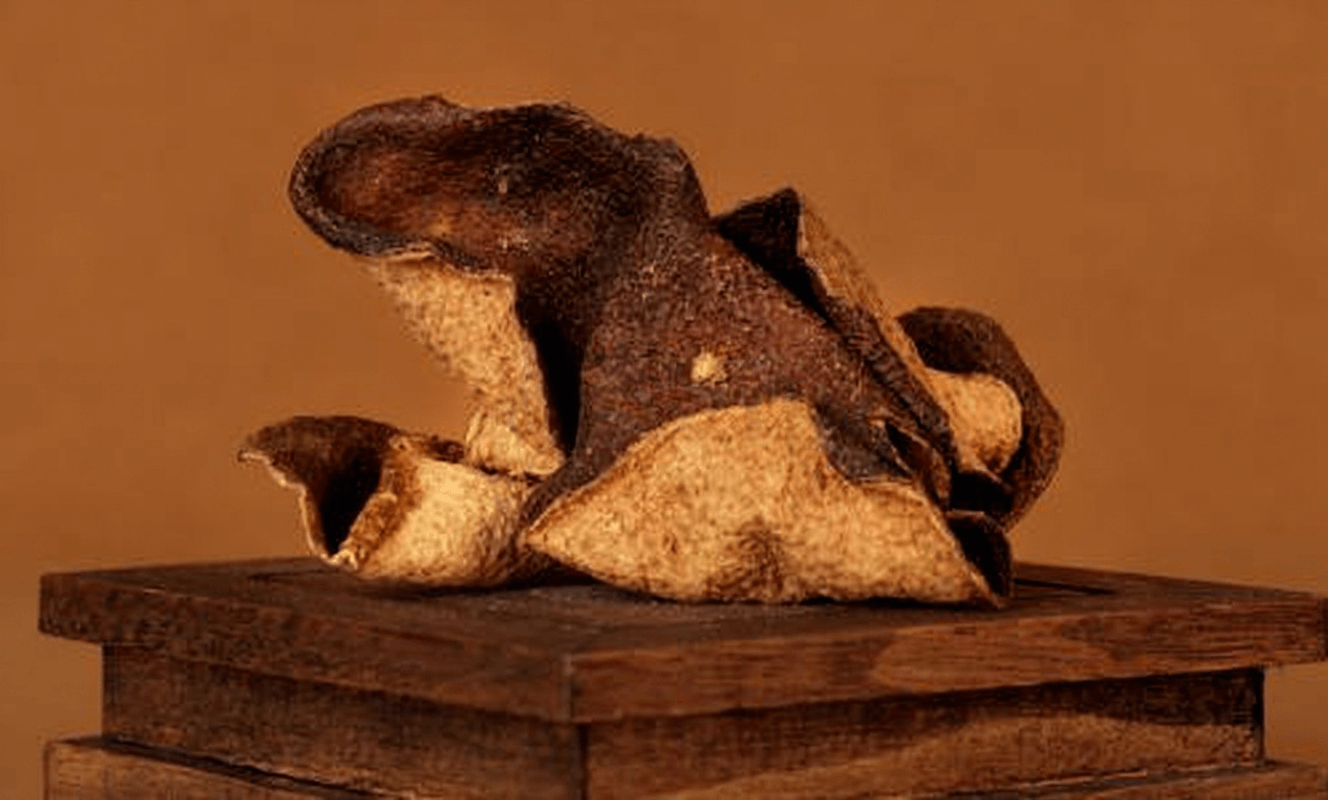
High-Aged Chenpi (10+ Years)
Bitterness is lighter, aged aroma is richer and longer-lasting, and the mouthfeel is smoother with a clearer lingering sweetness. Infusions may appear deep brown or reddish-brown. The aroma lingers longer on the palate.
Overall, good-quality chenpi tends to be mildly bitter at first with a clean sweetness afterward, accompanied by a clear aroma. Unusually strong bitterness, sourness, or musty odors may indicate storage or processing issues, so use with caution.