
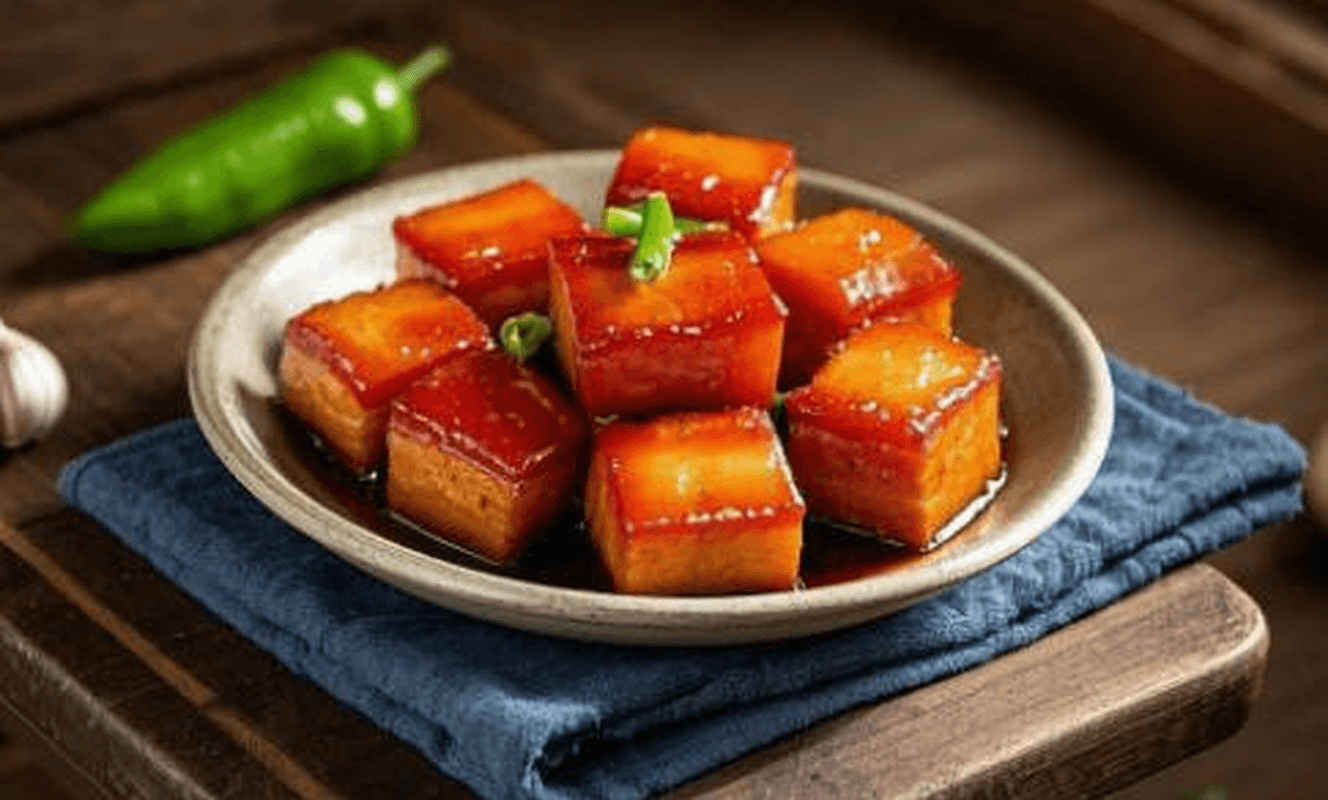
Adding tangerine peel to meat during cooking can indeed effectively remove fishy odors. This is because tangerine peel, as a natural spice, can mask the fishy taste in meat. A detailed introduction is provided below.
The Role of Tangerine Peel in Removing Fishy Odors
Tangerine peel is made from the dried mature peel of citrus fruits. It is not only a commonly used traditional Chinese medicine but also an excellent natural seasoning. It possesses a unique and rich aroma. When added during meat cooking, its scent can effectively mask the fishy odor of meat. At the same time, tangerine peel contains abundant volatile oil components, such as d-limonene and β-myrcene. These substances can interact with the components that cause the fishy smell in meat, decomposing or transforming them, thereby rapidly reducing or even eliminating the fishy odor. Besides deodorizing, tangerine peel also adds a hint of fresh flavor to the meat, reduces greasiness, and makes the meat more palatable.
Methods for Removing Fishy Odors with Tangerine Peel
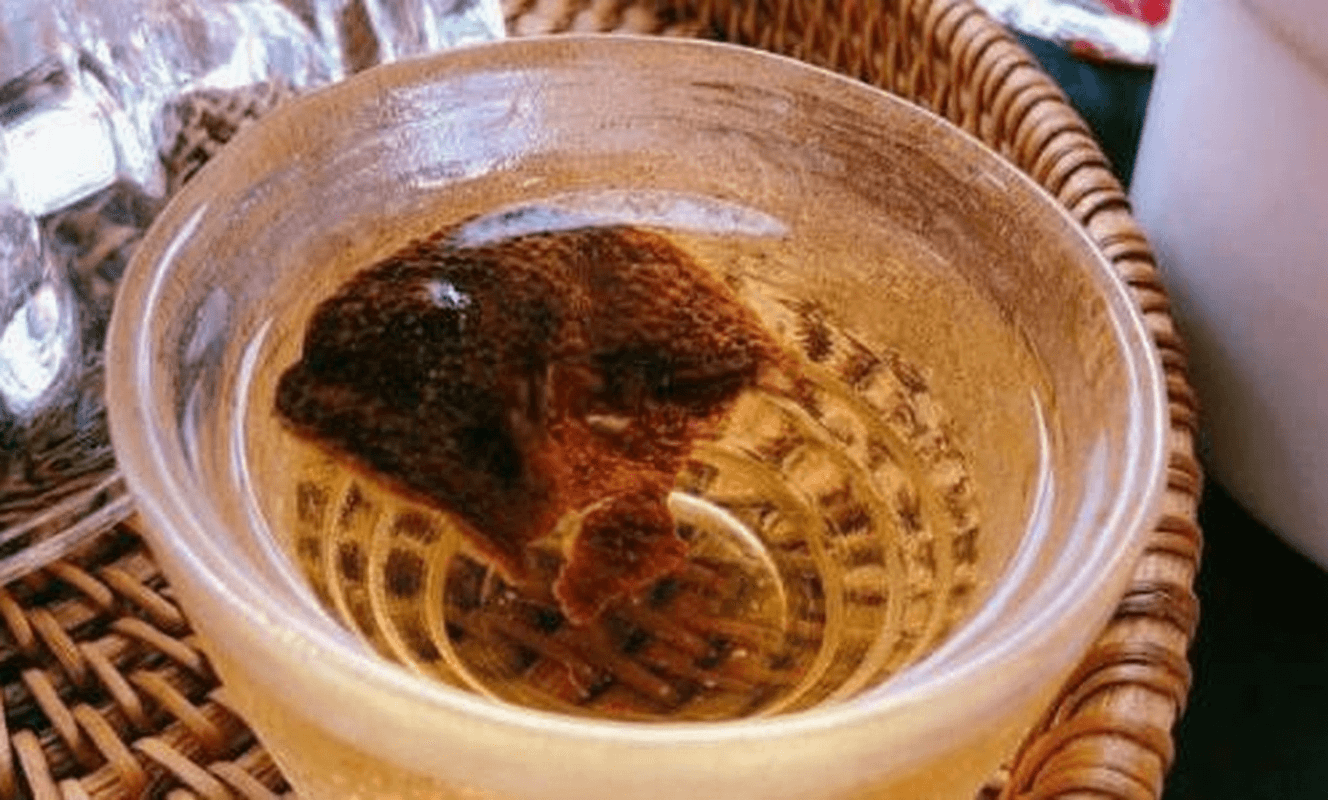
Using tangerine peel to remove fishy odors when cooking meat is not complicated. Taking braised pork belly as an example, about 5 grams of tangerine peel can be soaked in warm water beforehand, and the white pith should be scraped off to avoid bitterness. After blanching and stir-frying the pork belly, the tangerine peel can be added to the pot along with other seasonings for stewing. When stewing lamb or beef, the deodorizing effect of tangerine peel is even more pronounced. Lamb naturally has a strong gamey odor; it is recommended to pair 500 grams of lamb with 8 to 10 grams of tangerine peel. The tangerine peel should be torn into thin strips and added during the early stages of stewing, allowing its aroma to infuse into the soup and fully exert its odor-removing effect.
Other Functions of Tangerine Peel
Furthermore, tangerine peel can help meat become tender and absorb flavors more quickly, thus saving cooking time. Some of its components can promote changes in the fibrous structure of meat, making it more tender and succulent, especially suitable for stewing tough old meat or large cuts. Additionally, traditional Chinese medicine believes that tangerine peel can regulate qi and strengthen the spleen. Adding it when cooking meat also helps people digest and absorb these relatively greasy meat dishes.
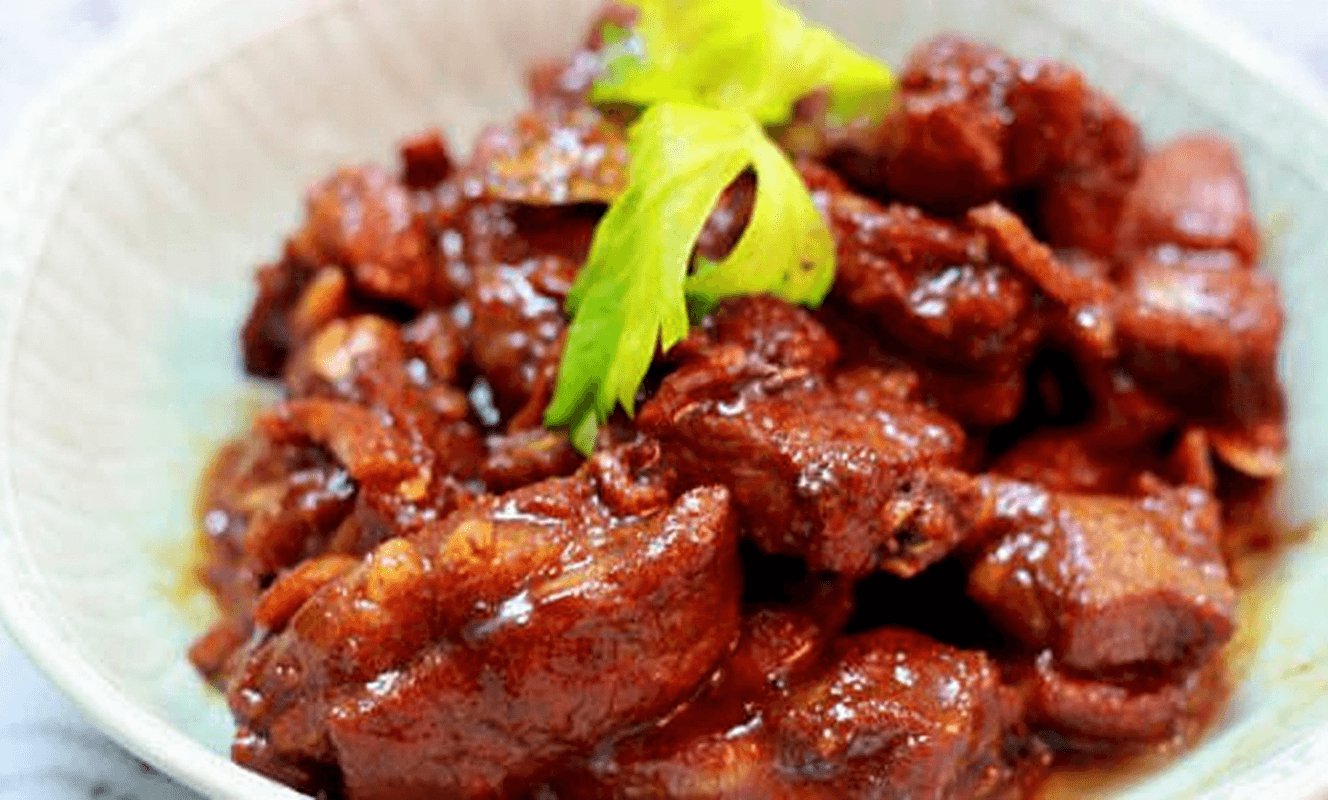
In summary, adding tangerine peel when cooking meat can not only accelerate the removal of fishy odors but also make the meat more tender and flavorful.