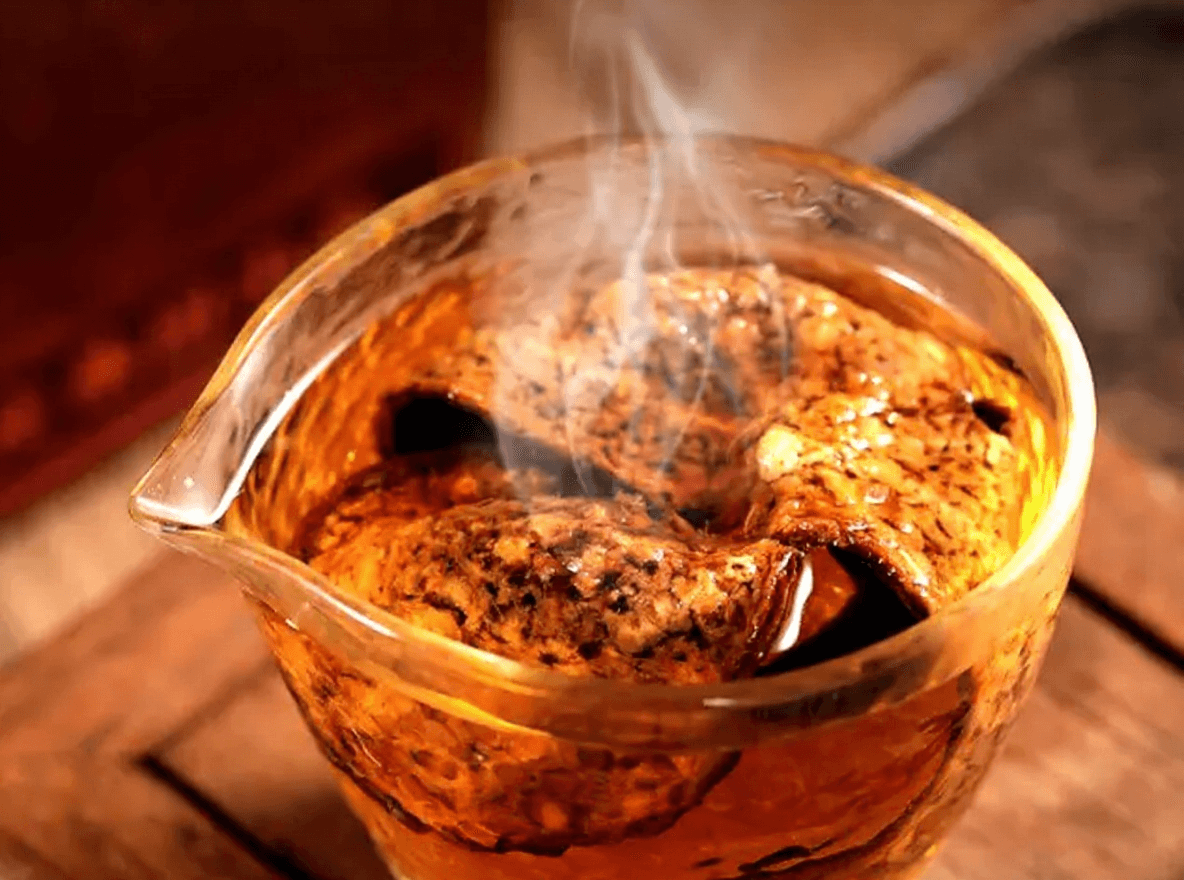
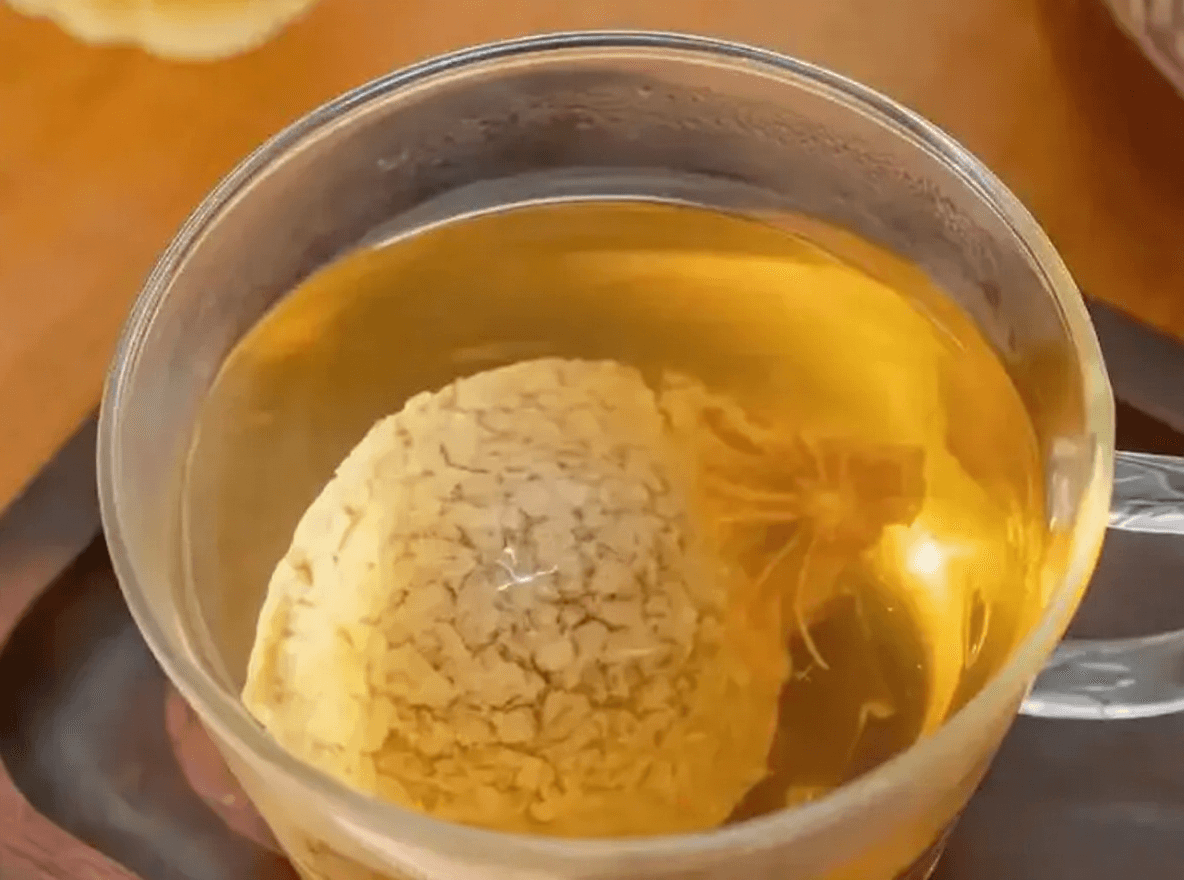
Pubei Chenpi, known for its sweet, mellow flavor and pervasive aroma, is an excellent companion for brewing tea. It is not only suitable for brewing alone but also perfect for pairing with various teas to create health drinks with unique flavors and enhanced benefits.
Classic Pairings for Chenpi Tea
- Chenpi White Tea: White tea has a delicate and fragrant aroma. Adding Chenpi blends its aged scent with the pekoe fragrance of White tea, making the tea soup smoother and more mellow. Functionally, it improves the effects of moistening the lungs, resolving phlegm, regulating qi, and strengthening the spleen. This is a very popular classic combination in recent years.
- Chenpi Rose Tea: Rosebuds are known for soothing the liver, relieving depression, and enhancing beauty. Adding Chenpi helps regulate qi and supports the blood-activating properties of rosebuds. It is particularly beneficial for women in regulating endocrine function, improving complexion, and alleviating emotional stress.
- Chenpi Pu-erh Tea: This is the "Golden Partner" in the tea world. Pairing Chenpi with aged ripe Pu-erh creates a mild tea nature. The combination aids digestion, removes greasiness, warms and protects the stomach, and has significant effects in relieving coughs, soothing asthma, strengthening the spleen, and removing dampness. It is ideal for autumn and winter or after meals.
Additionally, Pubei Chenpi is often used for infusing alcohol. High-quality Chenpi can be soaked in baijiu, rice wine, or yellow wine, sometimes with ingredients like osmanthus or dendrobium, to make Chenpi wine, which has unique health values.
Precautions for Drinking Chenpi Tea
Although Chenpi tea has many benefits, it is not suitable for everyone. Please note the following when drinking:
- Caution for Excess Heat Constitution: Chenpi is warm and drying. For people with excess internal heat (symptoms like dry mouth, bitter taste, constipation, red tongue with yellow coating), excessive consumption can fuel heat and damage fluids, worsening symptoms of internal heat.
- Avoid During Wind-Heat Cough: Chenpi is primarily used for wind-cold coughs (white phlegm, aversion to cold). For coughs caused by wind-heat colds (yellow phlegm, sore throat), drinking Chenpi water may aggravate the condition and should be avoided.
- Control Dosage and Frequency: For daily brewing, it is recommended to limit Chenpi intake to 10-15 grams per day. Do not consume excessive amounts, and avoid drinking it in large quantities continuously over a long period. Adjust intake based on your physical condition.
- Special Groups: Those with qi deficiency and dryness, dry cough due to yin deficiency, or symptoms of vomiting blood should consume with caution. It is advisable to consult a professional based on your individual constitution before drinking.
In summary, Chenpi tea is delicious and healthy, but only by "suiting the remedy to the case" and combining it reasonably with your own constitution can you truly maximize its health benefits.