
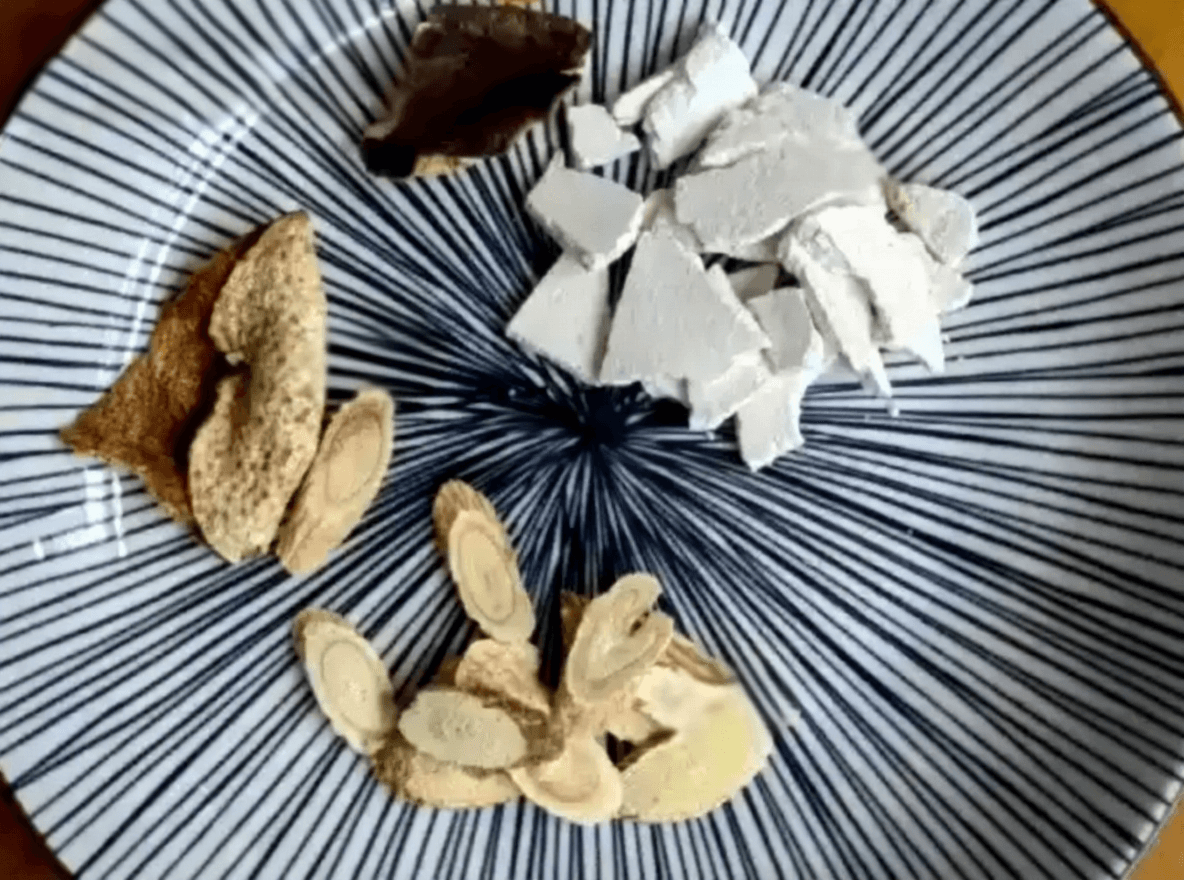
When suffering from a cold cough, drinking water boiled with Astragalus (Huangqi), Chenpi (dried tangerine peel), and Poria (Fu Ling) can provide a certain degree of relief. The properties of these three herbs are mild and suitable for auxiliary care during the early stages of a cold or when cold evils affect the lungs.
Typical Characteristics of a Cold Cough
Before drinking, please check if your symptoms match:
- Cold Signs: Aversion to cold/wind, clear runny nose, no obvious throat swelling.
- Phlegm Condition: Thin, white phlegm.
- General State: Feeling cold, pale tongue with thin white coating.
Why This Formula Is Effective?
- Compatible Properties: Astragalus and Chenpi are warm, while Poria is neutral. All three target the Lung meridian, warming the lungs and helping dispel internal cold.
- Replenishing Qi (Astragalus): Astragalus has excellent qi-replenishing effects. For persistent coughs caused by qi deficiency, it boosts immunity and helps the body "expel toxins."
- Regulating Qi and Resolving Phlegm (Chenpi): Chenpi excels at drying dampness and resolving phlegm. It directly targets coughing with excessive phlegm, making it easier to expectorate.
- Removing Dampness (Poria): Poria promotes diuresis and removes dampness, addressing the source of phlegm production from the spleen and stomach perspective, while also providing a calming effect.
Important Expert Reminders
- Auxiliary, Not Primary Treatment: This drink primarily supports mind calming and spleen strengthening. For severe cold coughs, it is not a dedicated cure.
- Medical Advice: If coughing is intense or accompanied by high fever or breathing difficulty, seek medical care immediately. Professional formulas like "San Ao Tang" may be necessary.
- Contraindications: Avoid during a wind-heat cold (sore throat, yellow phlegm, fever) to prevent fueling the internal heat.
Summary: For minor wind-cold coughs, Astragalus, Chenpi, and Poria water is a warm support that alleviates discomfort and aids self-healing.