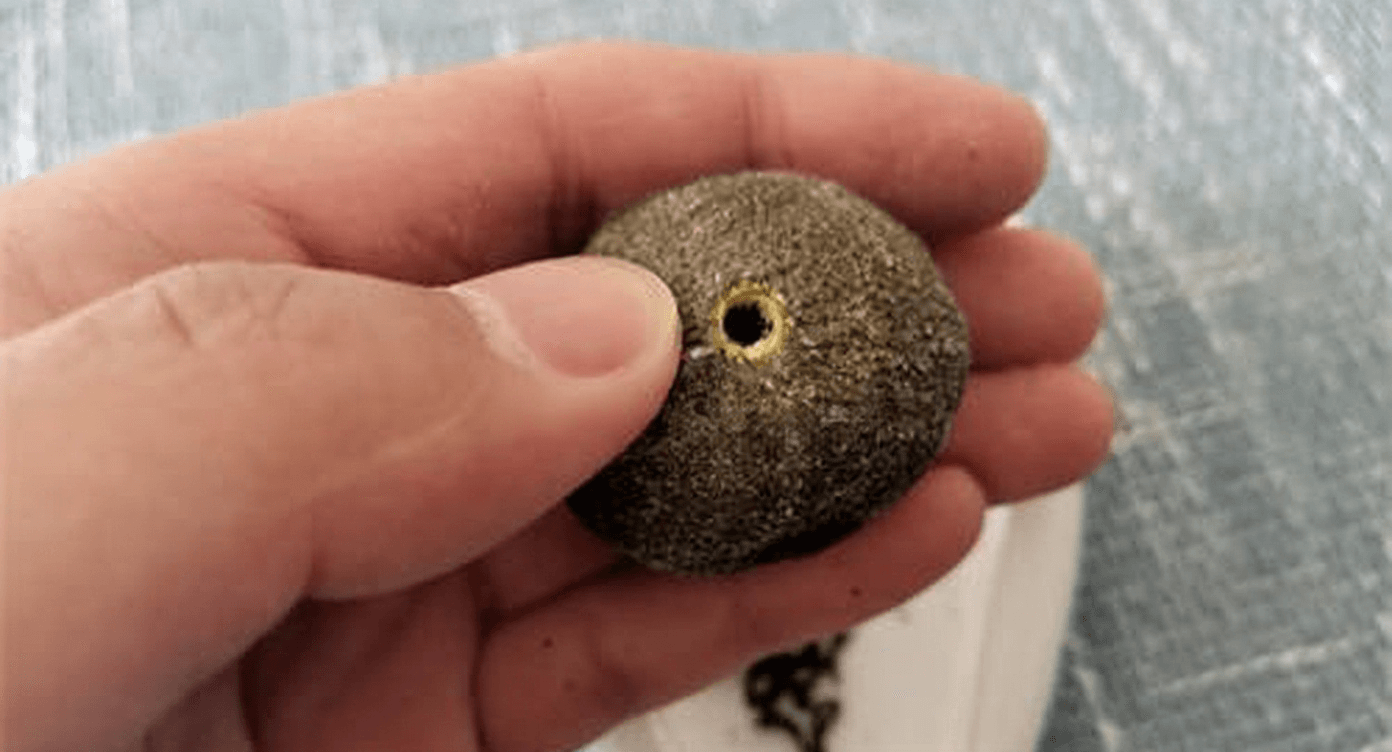
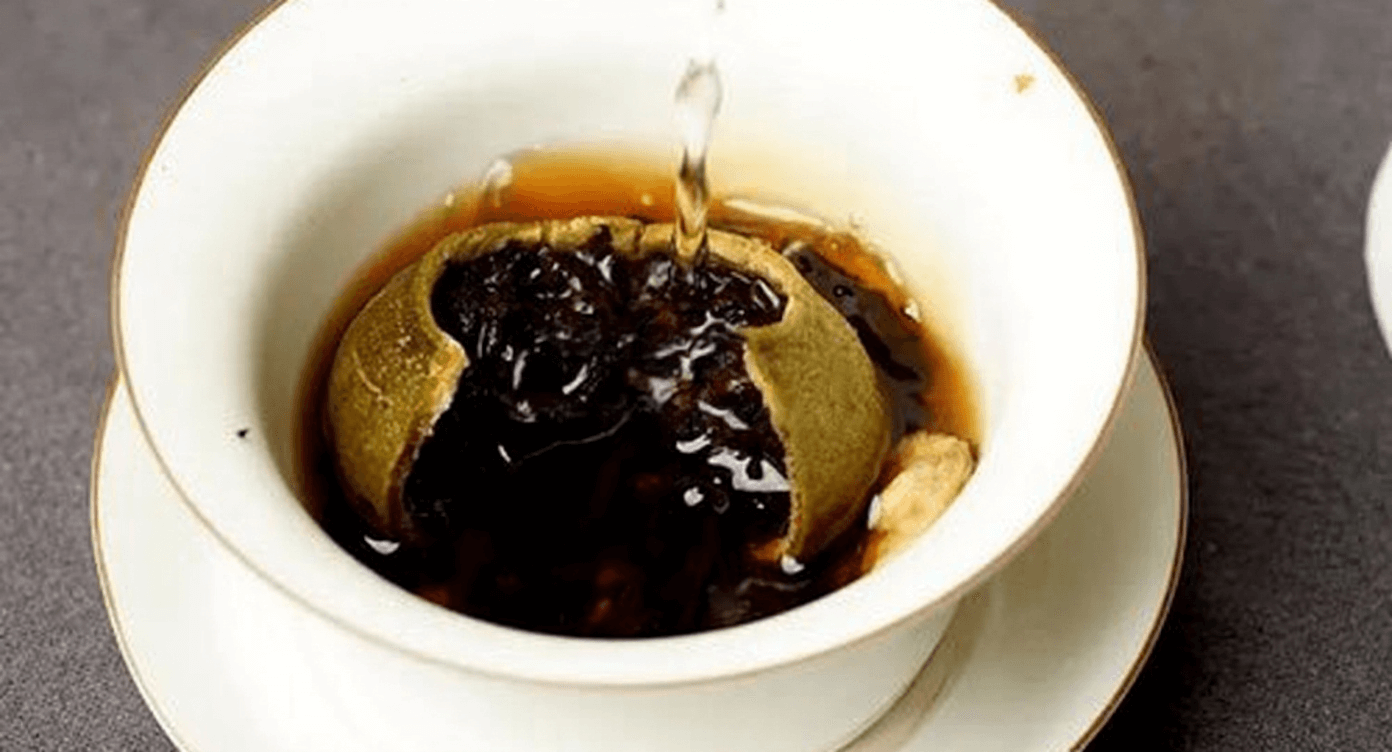
Xiaoqinggan is a product made by blending ripened Pu-erh tea with the citrus peel of Pubei Xiaoqinggan. Since both components are highly hygroscopic (moisture-absorbing), improper handling during early processing or a poor storage environment later on can easily lead to mold and spoilage. This article analyzes why Xiaoqinggan gets moldy and shares scientific methods for preservation.
Main Reasons for Musty Odors in Xiaoqinggan
1. Negligence in Early Processing
- Premature Harvesting: If harvested too early, the citrus fruit has not reached the required production standard. Its organic matter content is low, and the peel structure is unstable, making it more vulnerable to moisture and mold.
- Incomplete Drying: This is the most common cause of mold. If Xiaoqinggan is packaged before being thoroughly dried or roasted, residual moisture inside the sealed space will condense into droplets, causing a "dampening" effect that leads to mold.
2. Improper Post-Storage Environment
- High Ambient Humidity: The tea and citrus peel in Xiaoqinggan have porous structures that easily absorb moisture from the air. If the storage environment is too humid, mold and spoilage are almost inevitable.
- Wrong Choice of Container: Young Xiaoqinggan (with short aging time) still contains trace amounts of moisture and sugar that need to continue natural transformation. Using a completely airtight container too early can prevent moisture from escaping, resulting in a musty smell.
- Lack of Regular Inspection: During storage, the condition of the tea should be checked regularly. If the citrus peel feels soft, it indicates moisture absorption, and the tea must be sun-dried immediately.
Health Risks of Mold and Distinguishing White Frost
Once Xiaoqinggan is confirmed to be moldy, the mycotoxins produced are harmful to humans. Common molds can cause gastrointestinal discomfort, while aflatoxins, if produced, are highly hepatotoxic and carcinogenic. If obvious mold spots or a rotten smell are detected, please stop consumption immediately.
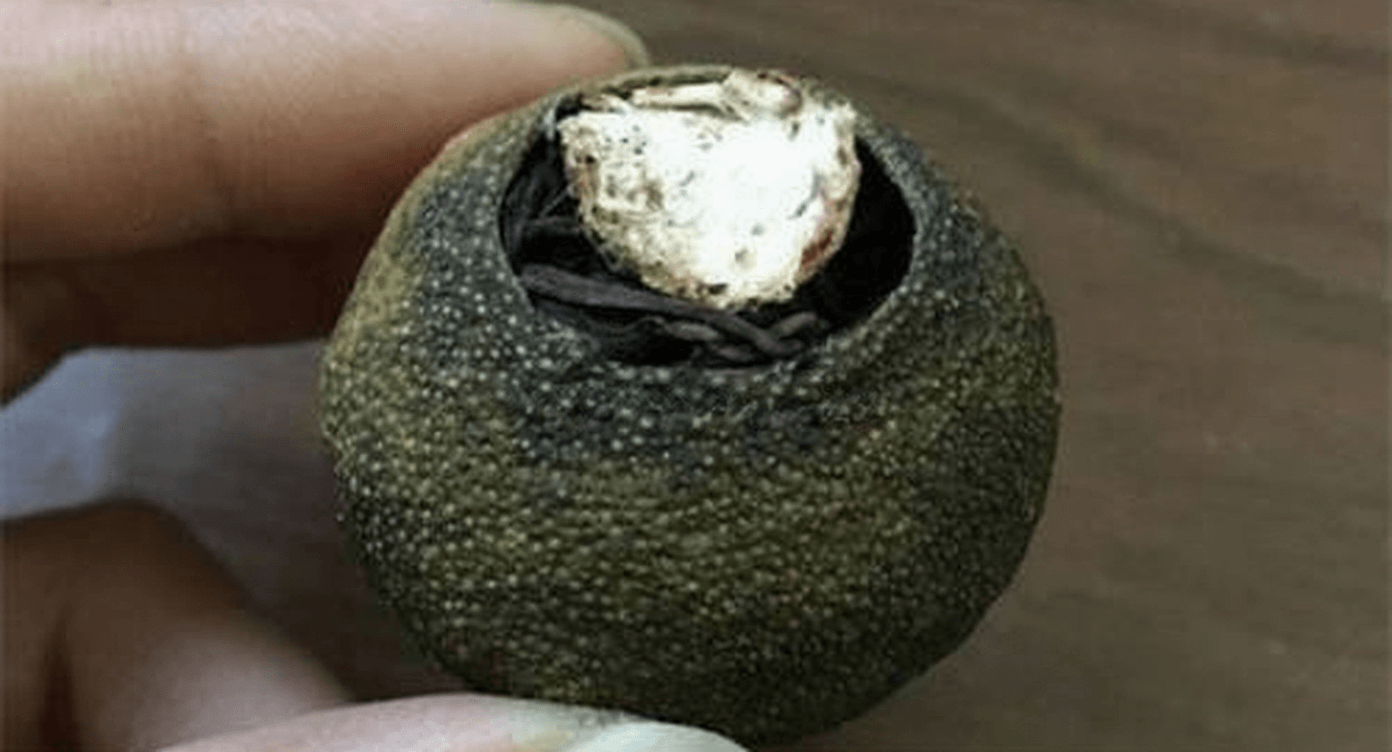
Note on Distinguishing White Frost: A layer of uniform white crystals sometimes appears on the surface of Xiaoqinggan; this is usually "citrus oil crystals" (essential oil precipitation), not mold. Mold typically appears in patches, is gray or green in color, and has a pungent, rotten odor.
Professional Preservation Advice to Prevent Mold
- Avoid Light and Ensure Ventilation: Store in a cool, ventilated, and dry place. Strictly avoid direct sunlight, as photochemical reactions can destroy the quality of the fruit.
- Strict Temperature and Humidity Control: The ideal storage temperature is 15-25°C, and relative humidity should be controlled between 60% and 80%.
- Separate Storage: It is recommended to store Xiaoqinggan of different vintages and processes separately to avoid cross-odors. Never mix moldy products with healthy ones.
By understanding the causes of mold and mastering correct preservation techniques, you can better protect your Xiaoqinggan and allow it to become more fragrant and mellow over the years.