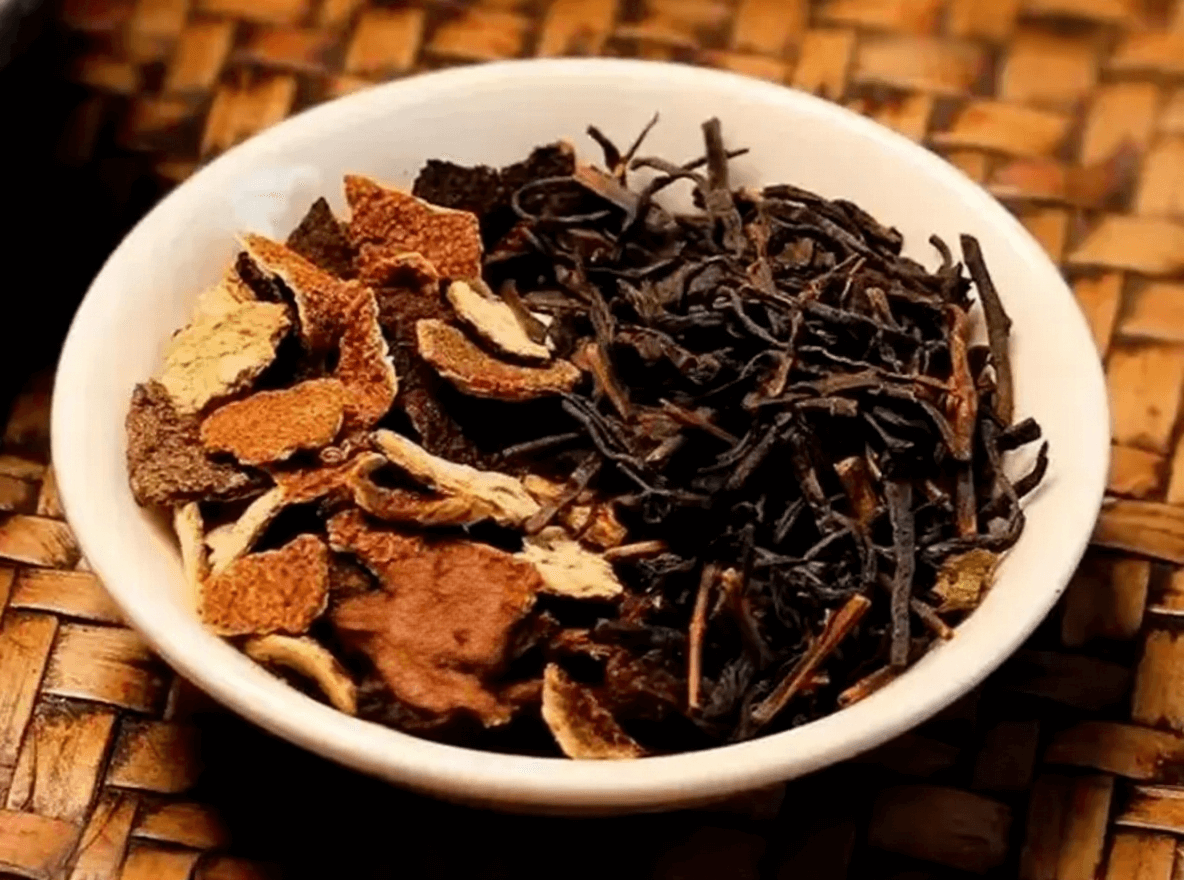
When purchasing Chenpi Pu-erh tea, many consumers confuse "Ganpu" with "Jupu." Although there is only a one-character difference in Chinese, their quality, taste, and wellness value are worlds apart.
1. Differences in Core Ingredients
This is the source of their fundamental difference:
- Ganpu Tea: Uses the peel of Xinhui Chazhi Citrus (the same source as authentic Pubei Chenpi) combined with Yunnan ripe Pu-erh tea. Xinhui citrus contains unique volatile oils and flavonoids, possessing high aging value.
- Jupu Tea: Uses the peel of regular oranges (such as Yangshan oranges or other mixed varieties). While these peels also have an orange scent, they lack the medicinal depth of Xinhui citrus.
2. Comparison of Appearance and Taste
- Peel Thickness and Oil Glands:
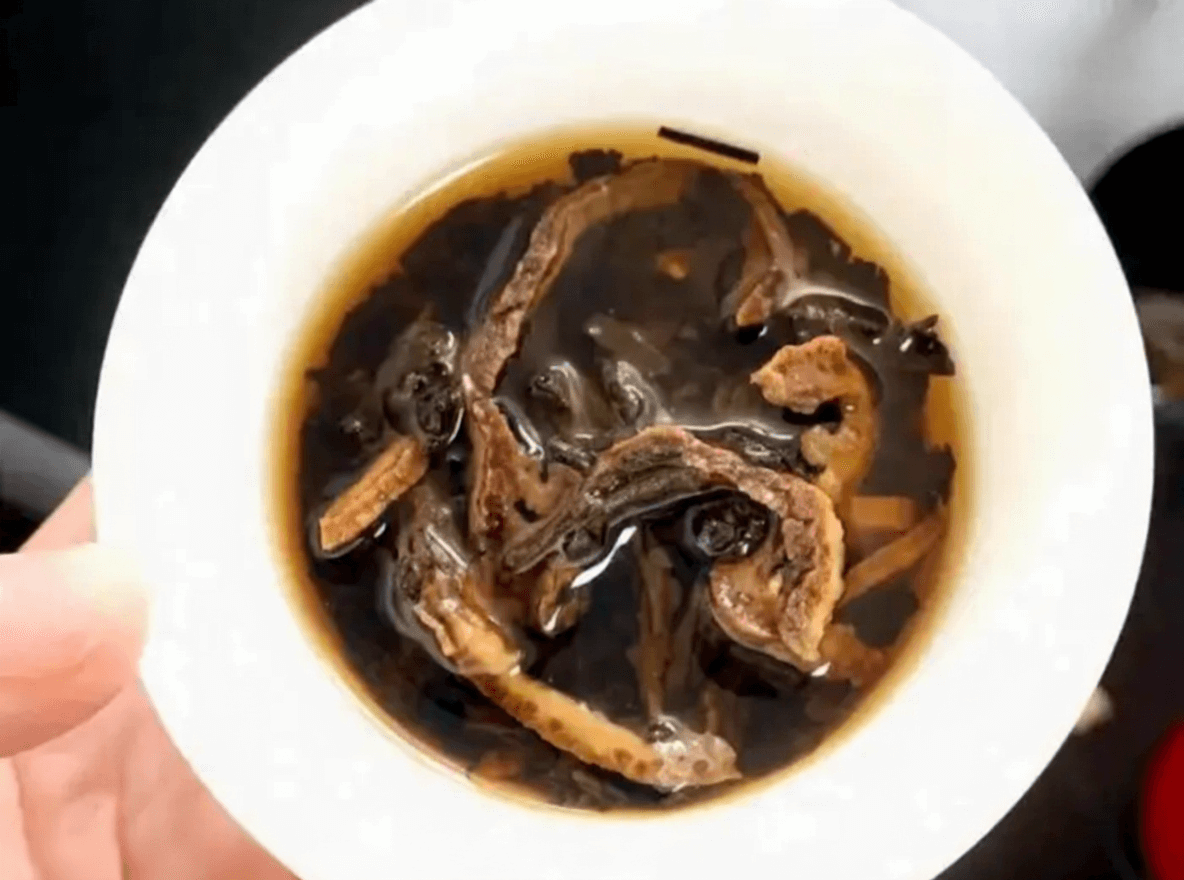
- Ganpu: The peel is thicker (about 2mm), with large, dense, and clearly visible oil glands. The brewed tea is sweet with a lingering aftertaste, showing high integration of aged fragrance and tea aroma.
- Jupu: The peel is thinner (about 1mm) with tiny oil glands. While the tea color may be dark, the aroma is not prominent, and it may even have the bitterness of orange peel.
3. Levels of Wellness Efficacy
- Ganpu Tea (High Value): Benefiting from the medicinal properties of Xinhui citrus, it has significant roles in lowering lipids/pressure, strengthening the spleen, resolving phlegm, sobering up, and preventing atherosclerosis. It is a true "medicinal tea."
- Jupu Tea (Common Beverage): While refreshing, its medicinal value is limited. It serves primarily as a common leisure drink and lacks long-term aging or health benefits.
Summary Advice
If you seek daily wellness or long-term storage, always look for authentic Ganpu tea made from Xinhui Chazhi Citrus. When buying, you can perform a preliminary check by observing the thickness of the peel and the prominence of the oil glands.
Pubei Chenpi is precious precisely because of its unique varietal advantages. Choosing Ganpu is choosing a health assurance settled by time.