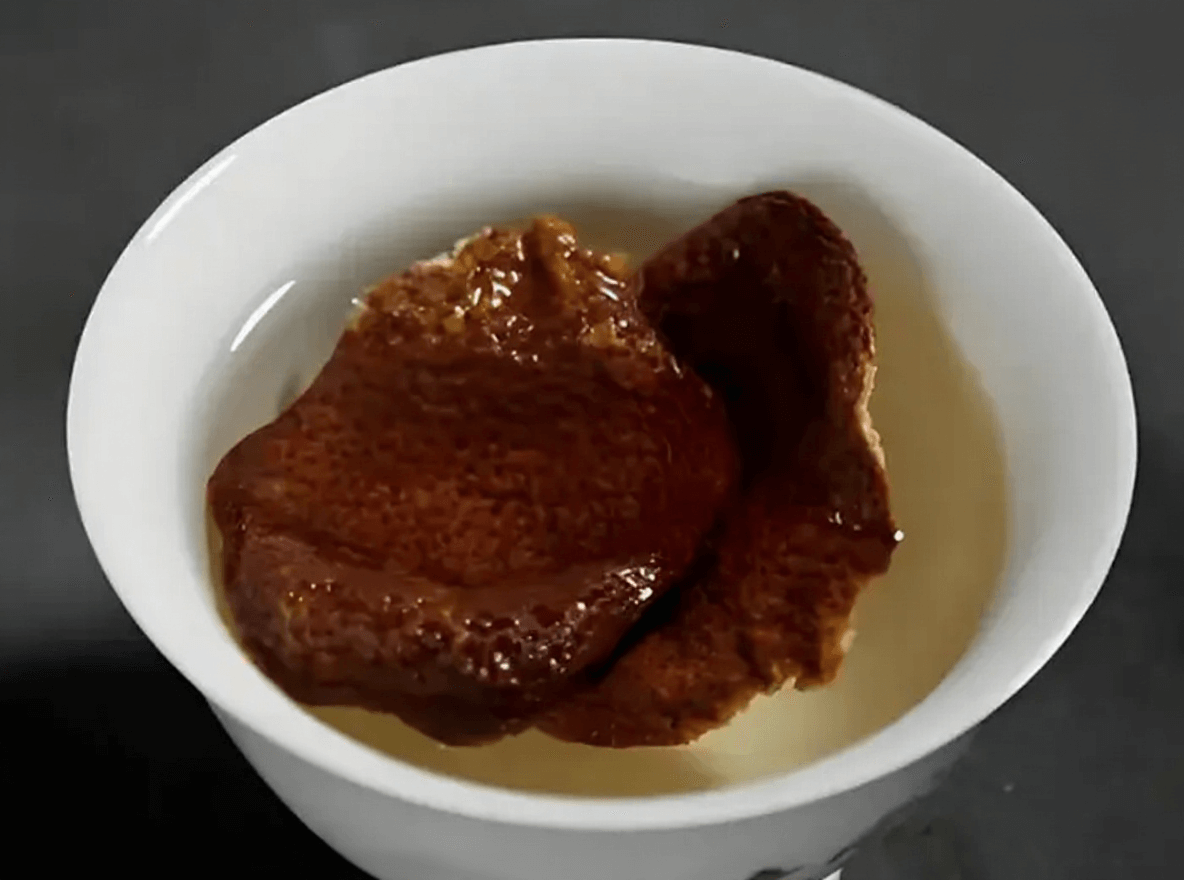
Many tea enthusiasts notice that even with the same type of Chenpi (dried tangerine peel), some brews are pale yellow and clear, while others are as dark as amber. The depth of the color is not just a physical phenomenon; it often carries information about quality and age.
1. Natural Differences in Aging Years
Chenpi follows the principle of "the older, the better."
- The Rule: As aging years increase, nutrients inside the peel (like flavonoids) continuously transform. Generally, the older the Chenpi, the more concentrated its internal substances, resulting in a relatively darker tea color.
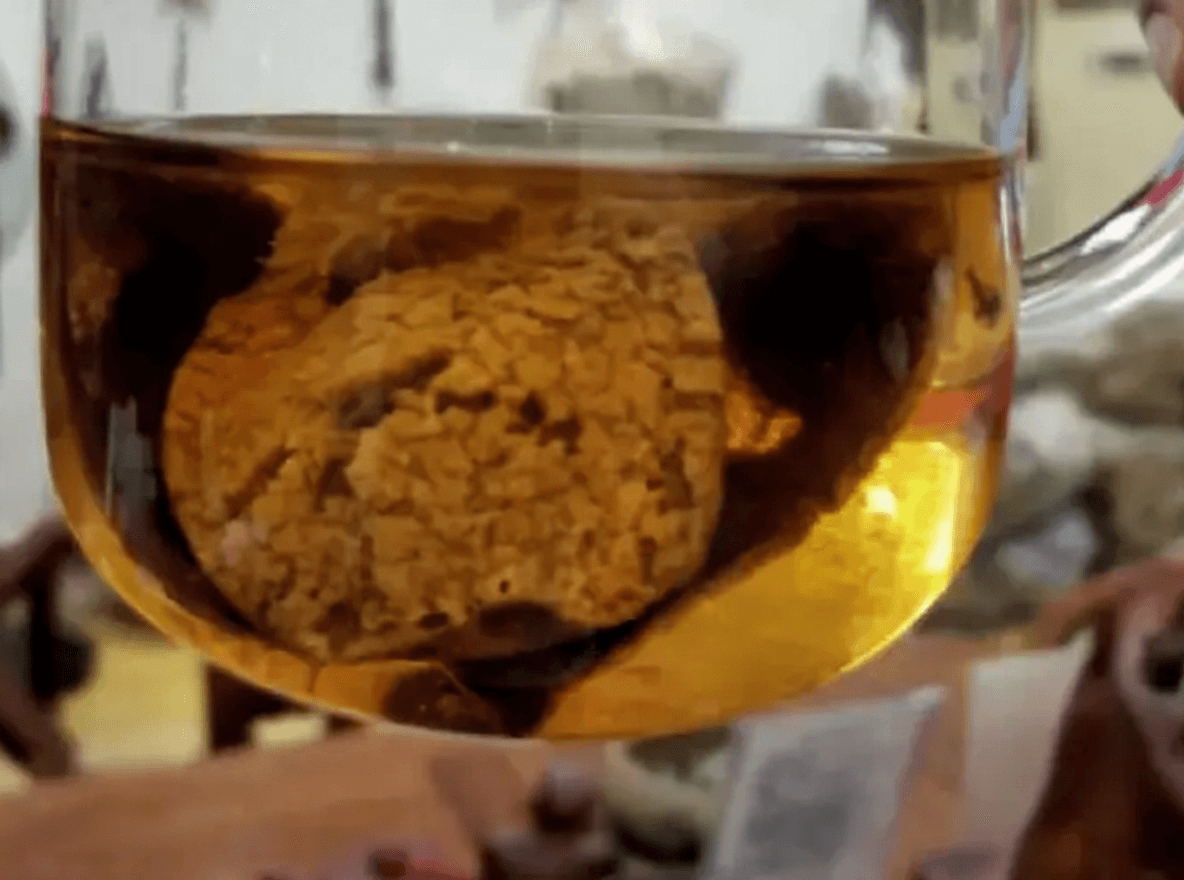
- Colors: Young peels usually produce light yellow tea, while aged peels tend toward golden or even orange-red.
2. Variations in Storage and Aging Methods
- Dry Storage (Natural Aging): Chenpi aged in a dry, ventilated environment changes color slowly and evenly, producing a clear tea.
- Wet Storage (Accelerated Oxidation): To shorten the process, some sellers use high heat and humidity to induce oxidation. Chenpi produced this way often has an unnaturally dark color and may carry a slight musty or off-flavor if not handled properly.
3. Warning Against Dyed "Processed Peels"
This is the most critical point for consumers.
- Identification: The color of authentic Chenpi is released slowly over time. If the tea color turns dark immediately upon hitting the water, it's highly likely you've bought dyed "fake aged" peels. These lack medicinal value and may contain harmful dyes.
4. Brewing Ratio and Steeping Duration
- Variables: If you use too much Chenpi or leave it in hot water for a long time without pouring, the color will inevitably deepen.
- Advice: To achieve the best taste and visibility, use 3-5g of Chenpi and pour out the tea after about 5 minutes of boiling or steeping.
Summary: Normal Chenpi water should be golden and transparent, not cloudy. If you notice abnormal color depth, judge combined with aroma and taste to ensure drinking safety.