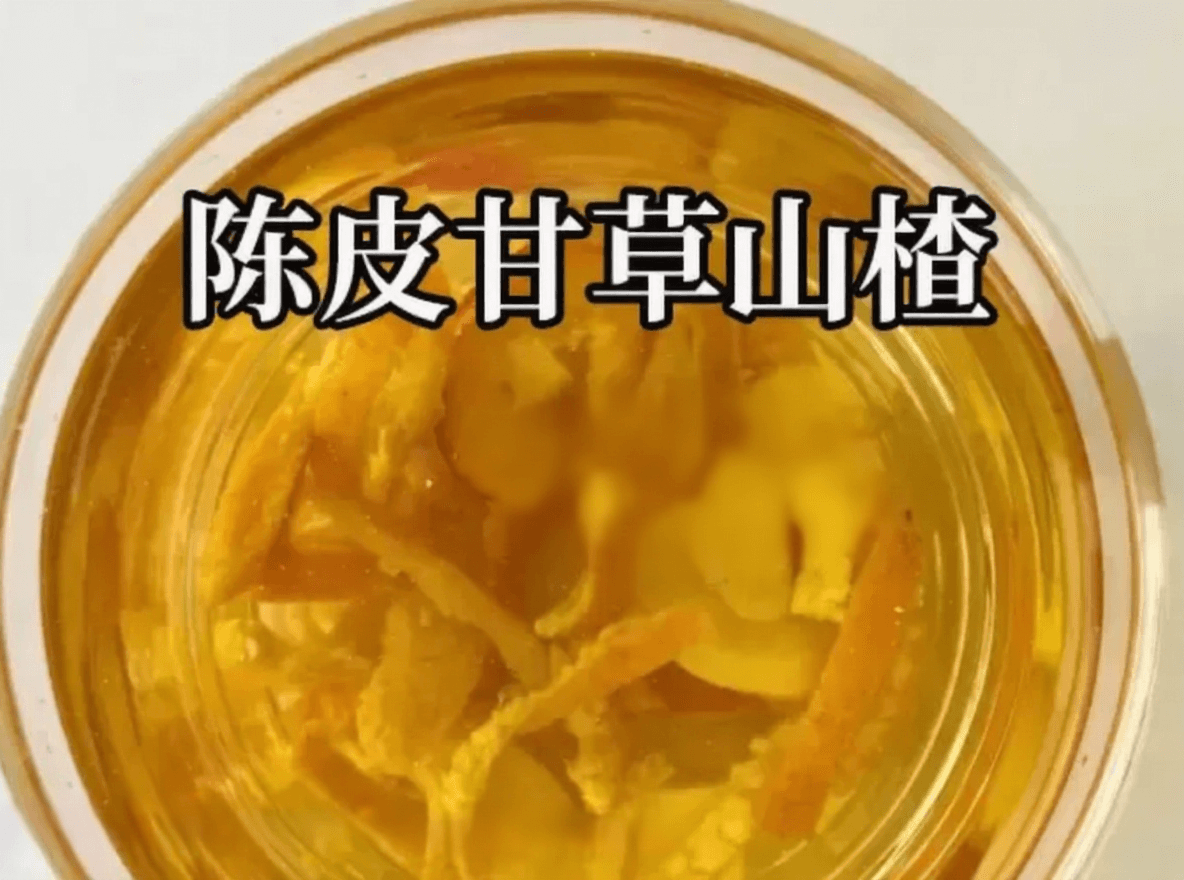
Chenpi (dried tangerine peel), Licorice (Gan Cao), and Hawthorn form a highly compatible "Golden Triangle" in TCM. Using these three for daily tea not only creates a balanced flavor (sour, sweet, and slightly bitter with a sweet finish) but also provides comprehensive care for the spleen and stomach.
Core Benefits Analysis
- Promoting Digestion and Resolving Stagnation: Hawthorn is excellent at resolving food stagnation, especially for meat-based meals, and alleviating bloating and acid reflux. Chenpi regulates qi and strengthens the spleen, assisting Hawthorn in enhancing gastrointestinal motility.
- Activating Blood and Relieving Pain: Hawthorn has good blood-activating and stasis-removing functions. Combined with Chenpi's qi-regulating effect, this tea helps manage chest and abdominal fullness caused by qi stagnation and blood stasis, as well as pediatric discomfort from food stagnation.
- Drying Dampness and Replenishing Qi: Chenpi focuses on drying dampness and resolving phlegm, while Licorice replenishes spleen qi and moistens the lungs to stop coughing. Together, they eliminate internal damp-phlegm while boosting the body's vital energy.
- Harmonizing and Soothing: Licorice acts as a "harmonizer," balancing the bitter-dry nature of Chenpi and the acidity of Hawthorn, making the tea's overall property stable and suitable for most people as daily maintenance.
Why Is This Combination Popular?
With fast-paced modern lifestyles, people often face irregular eating habits and indigestion. This tea helps through:
- Physical Assistance: Stimulating gastric juice secretion to physically aid digestion.
- Qi and Blood Regulation: Smoothing the flow of energy from the root to improve circulation.
This "medicinal and food" wisdom allows you to perform micro-regulations on your spleen and stomach simply by drinking water.
Brewing Suggestion: Use 3g Chenpi, 3 Hawthorn slices, and 2g Licorice. Steep in boiling water for 10 minutes. Adjust the amount of licorice according to your sweetness preference.