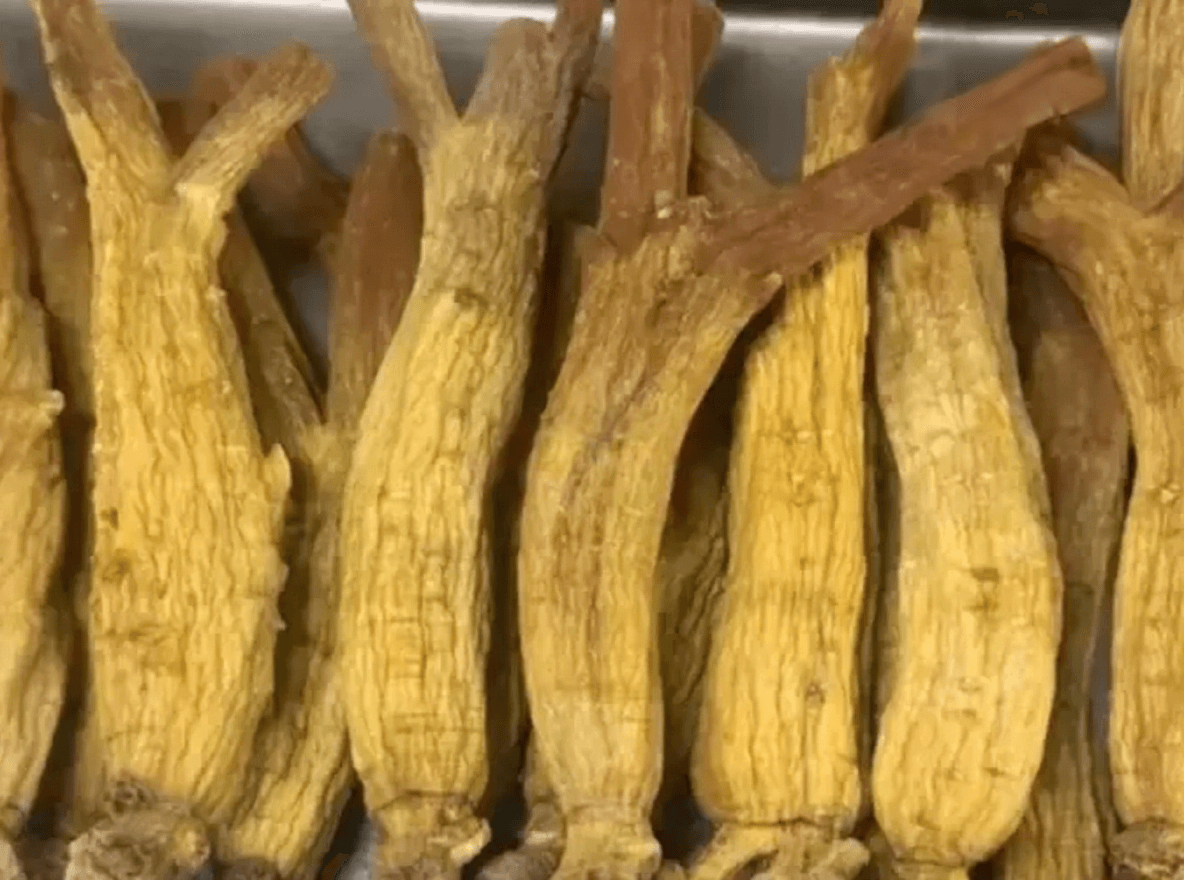
Korean ginseng belongs to the Panax genus, a perennial herbaceous plant, specifically referring to red ginseng produced in the Korean Peninsula. Tangerine peel is a common traditional Chinese medicinal herb. So, what are the benefits of regularly consuming Korean ginseng and tangerine peel together? This will be explained in detail below.
Medicinal Value of Korean Ginseng
Korean ginseng is the dried root of Panax ginseng, also known as Chosun ginseng or Byeoljik ginseng. It is hailed as a natural health tonic and an "elixir of youth," classified as a tonifying herb. Korean ginseng is sweet and slightly bitter in taste, slightly warm in nature, and acts on the spleen, lung, heart, and kidney meridians.
Its main functions are to powerfully invigorate vital energy, restore pulse and prevent collapse, tonify the spleen and benefit the lungs, generate fluids and nourish blood, calm the spirit, and enhance intelligence. It is primarily used for symptoms such as restlessness, palpitations and insomnia, extreme debility with a desire to collapse, cold limbs and faint pulse, spleen deficiency with reduced appetite, lung deficiency with asthma and cough, fluid injury with thirst, internal heat with wasting and thirsting syndrome, deficiency of qi and blood, chronic illness with emaciation, impotence and cold uterus, heart failure, and cardiogenic shock.
Medicinal Value of Tangerine Peel
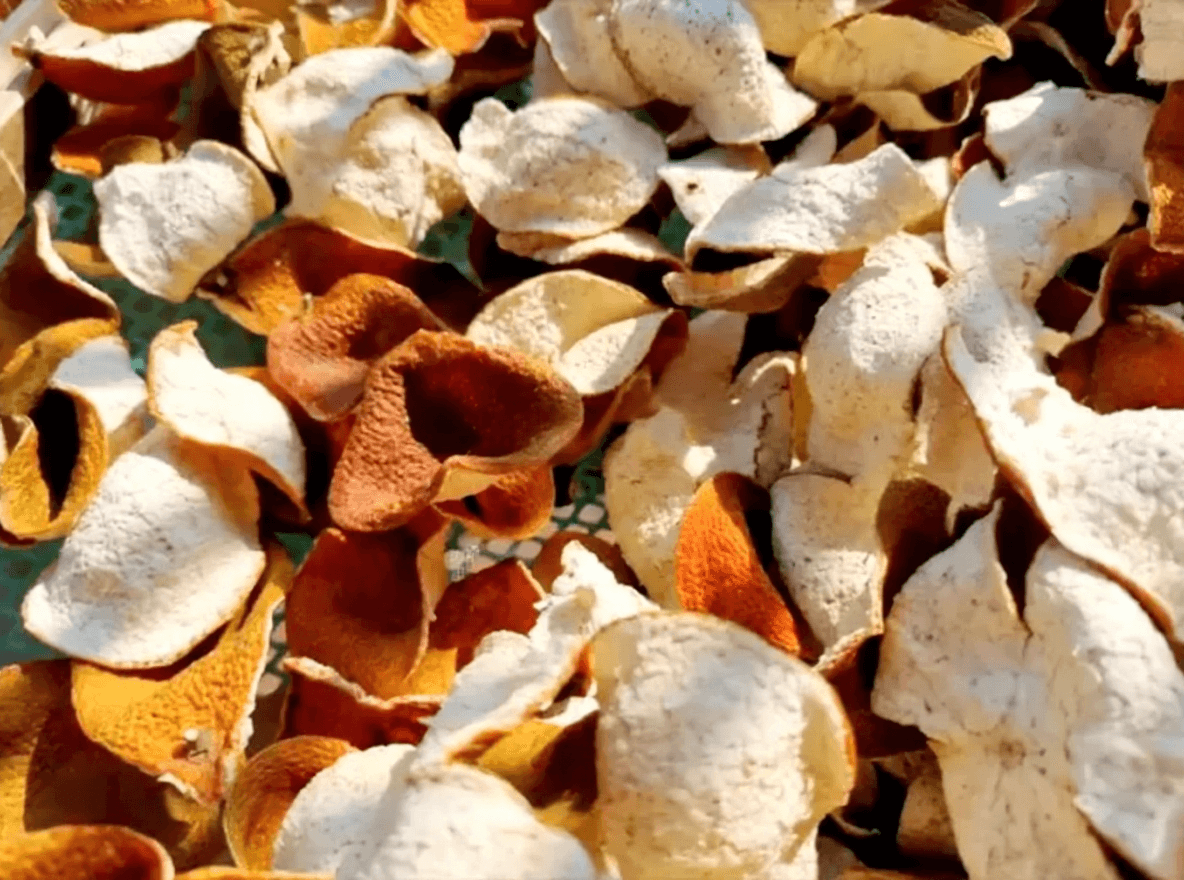
Tangerine peel is an herb that regulates qi. It is the dried mature pericarp of Citrus reticulata and its cultivated varieties. It is warm in nature, pungent and bitter in taste, and acts on the spleen and lung meridians. It has the effects of regulating qi, strengthening the spleen, drying dampness, and resolving phlegm. It can be used to alleviate symptoms such as abdominal distension, reduced appetite with vomiting and diarrhea, hiccups, cold phlegm and damp phlegm, cough with excessive phlegm, and chest obstruction.
Synergistic Effects of Korean Ginseng and Tangerine Peel

Regular consumption of Korean ginseng and tangerine peel together can produce the following synergistic effects:
- Powerfully Invigorating Vital Energy: Korean ginseng has the effect of powerfully invigorating vital energy. When taken with tangerine peel, it can be used to improve symptoms such as restlessness, palpitations and insomnia, extreme debility with a desire to collapse, and cold limbs with a faint pulse.
- Regulating Qi and Strengthening the Spleen: Tangerine peel has the effect of regulating qi and strengthening the spleen, and Korean ginseng acts on the spleen meridian. Taken together, they can alleviate symptoms such as abdominal distension, spleen deficiency with reduced appetite, and indigestion.
- Warming the Lungs and Relieving Cough: Korean ginseng is slightly warm and can benefit the lungs, while tangerine peel has the effect of drying dampness and resolving phlegm. Regular consumption of both can be used to treat symptoms such as cold phlegm, damp phlegm, and cough with excessive phlegm.
- Enhancing Intelligence and Brain Function: Korean ginseng has the effect of calming the spirit and enhancing intelligence, and tangerine peel can calm the mind. Therefore, regular consumption of both can improve mental work capacity, enhance memory, and improve cerebral ischemic disorders.
In summary, Korean ginseng and tangerine peel each possess unique benefits. Their synergistic regular consumption is beneficial in powerfully invigorating vital energy, regulating qi and strengthening the spleen, warming the lungs and relieving cough, and enhancing intelligence and brain function. It can also help control blood sugar, boost immunity, and generate fluids to quench thirst. It is recommended to take it in moderation under the guidance of a doctor and not to use it blindly on your own.