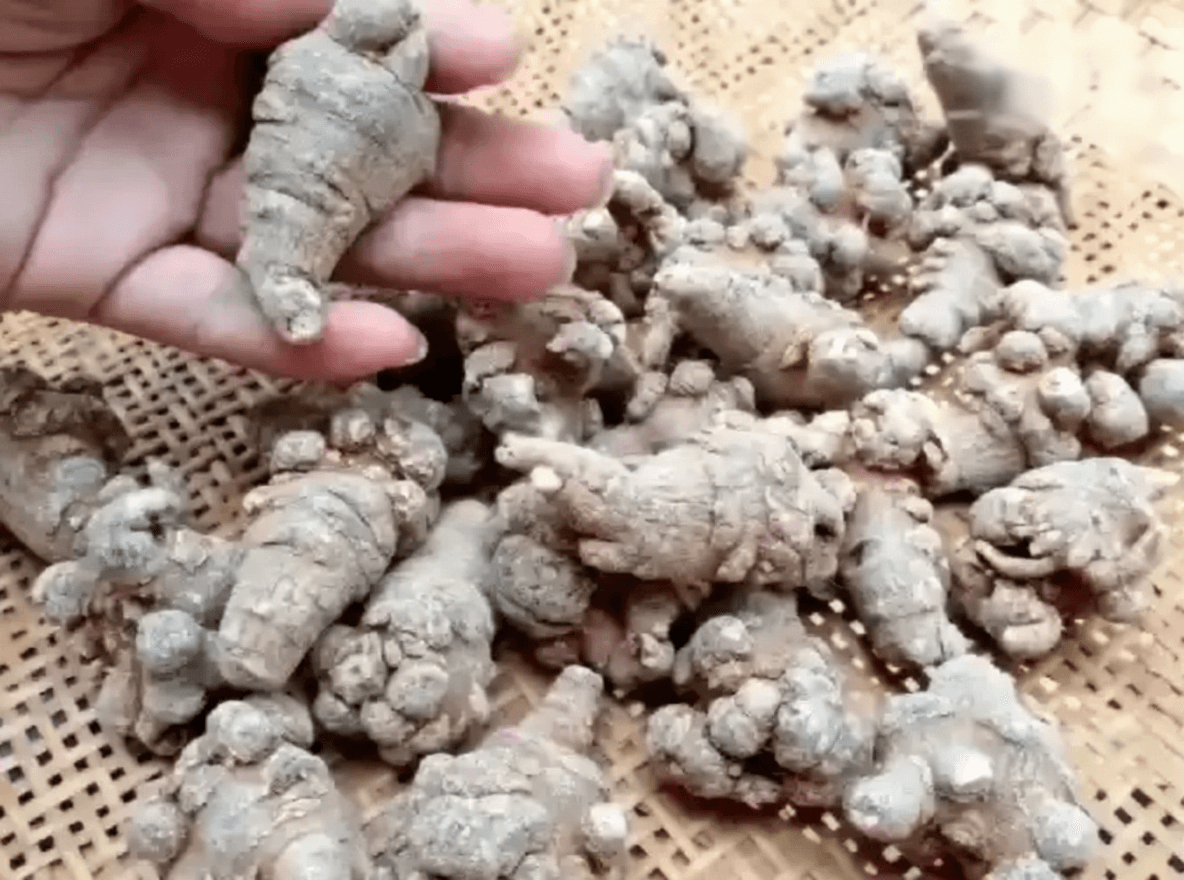
Panax notoginseng, also known as Sanqi, has medicinal properties in its stems, leaves, and flowers. It is mainly distributed in southeastern Yunnan, with cultivation also found in southwestern Guangxi. Tangerine peel is a common traditional Chinese medicinal herb. So, what are the benefits of combining Panax notoginseng and tangerine peel in soup? This will be analyzed in detail below.
Efficacy and Functions of Panax Notoginseng
Panax notoginseng, commonly known as Sanqi, also referred to as "Mountain Lacquer" or "Gold Not to Be Exchanged," is a hemostatic herb. It is the dried root and rhizome of Panax notoginseng from the Araliaceae family, sweet and slightly bitter in taste, warm in nature, and acts on the liver and stomach meridians. It has the effects of dispersing stasis, stopping bleeding, reducing swelling, and relieving pain.
Sanqi is primarily used for symptoms such as hemoptysis, hematemesis, epistaxis, hematochezia, metrorrhagia, traumatic bleeding, stabbing pain in the chest and abdomen, and swelling and pain from falls and contusions. Raw Sanqi mainly disperses stasis and stops bleeding, while processed Sanqi primarily tonifies blood and invigorates qi.
Efficacy and Functions of Tangerine Peel
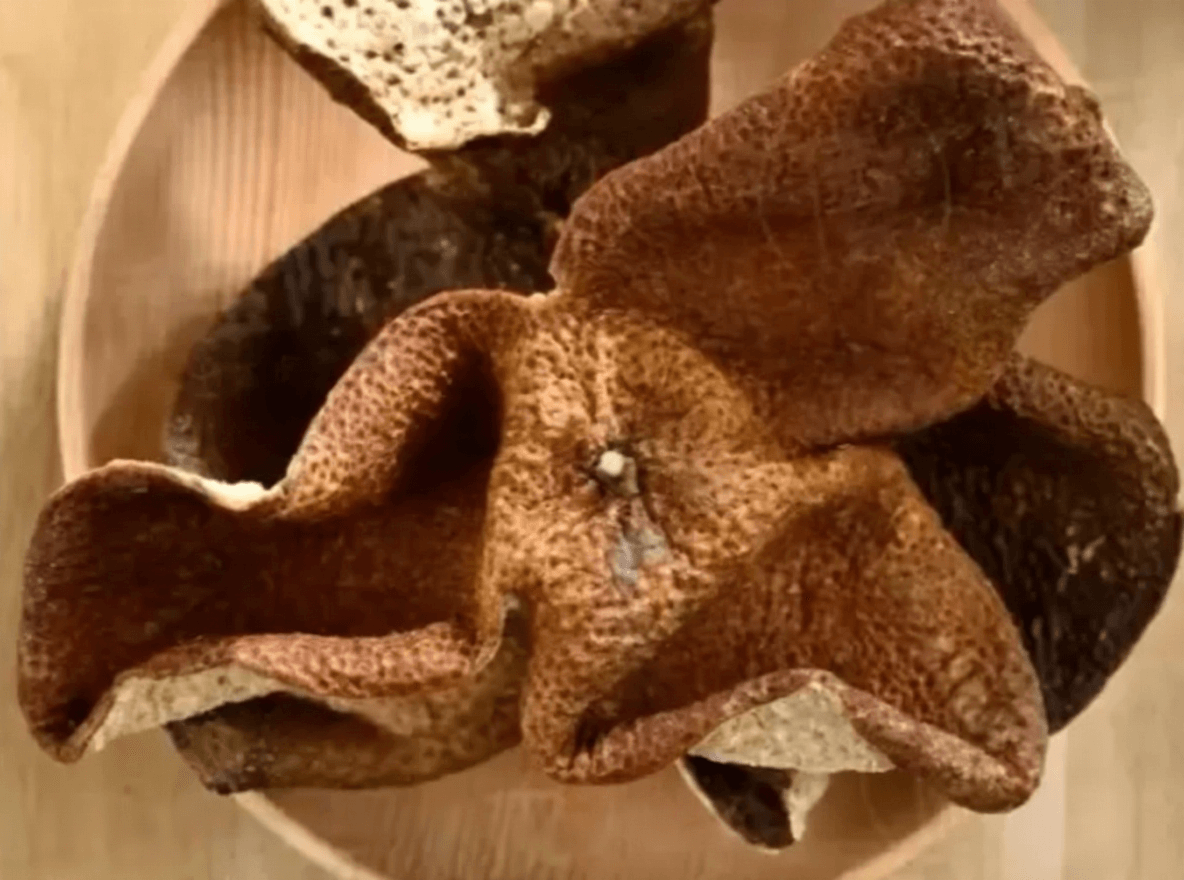
Tangerine peel is a common qi-regulating herb, which is the dried mature pericarp of Citrus reticulata and its cultivated varieties. It is warm in nature, pungent and bitter in taste, and acts on the spleen and lung meridians. It has the effects of regulating qi, strengthening the spleen, drying dampness, and resolving phlegm. Tangerine peel can be used to alleviate symptoms such as abdominal distension, reduced appetite with vomiting and diarrhea, hiccups, cold phlegm and damp phlegm, cough with excessive phlegm, and chest obstruction.
Benefits of Panax Notoginseng and Tangerine Peel in Soup
When Panax notoginseng and tangerine peel are combined in soup, they primarily offer the following benefits:
- Dispersing Stasis and Stopping Bleeding: Panax notoginseng acts on the liver meridian and has the effect of dispersing stasis and stopping bleeding, while tangerine peel's pungent taste can disperse. Therefore, combining them in soup can be used to alleviate various bleeding syndromes, such as hemoptysis, hematemesis, epistaxis, hematochezia, metrorrhagia, and traumatic bleeding.
- Strengthening the Spleen and Appetizing: Tangerine peel has the effect of regulating qi and strengthening the spleen, and Panax notoginseng acts on the stomach meridian. Therefore, combining them in soup can strengthen the spleen and stimulate appetite, suitable for alleviating symptoms such as abdominal distension, reduced appetite with vomiting and diarrhea, and indigestion.
- Reducing Swelling and Relieving Pain: Panax notoginseng has the effect of reducing swelling and relieving pain, and tangerine peel has certain qi-regulating and pain-relieving effects. Therefore, combining them in soup can be used to alleviate symptoms such as falls and contusions, stagnant swelling and pain, and stabbing pain in the chest and abdomen.
In summary, Panax notoginseng and tangerine peel each possess unique efficacies. When brewed together in soup, they primarily exert benefits in dispersing stasis and stopping bleeding, strengthening the spleen and appetizing, and reducing swelling and relieving pain. It is recommended to use these herbs under the guidance of a doctor and not to administer them blindly on your own, to avoid adverse effects.