
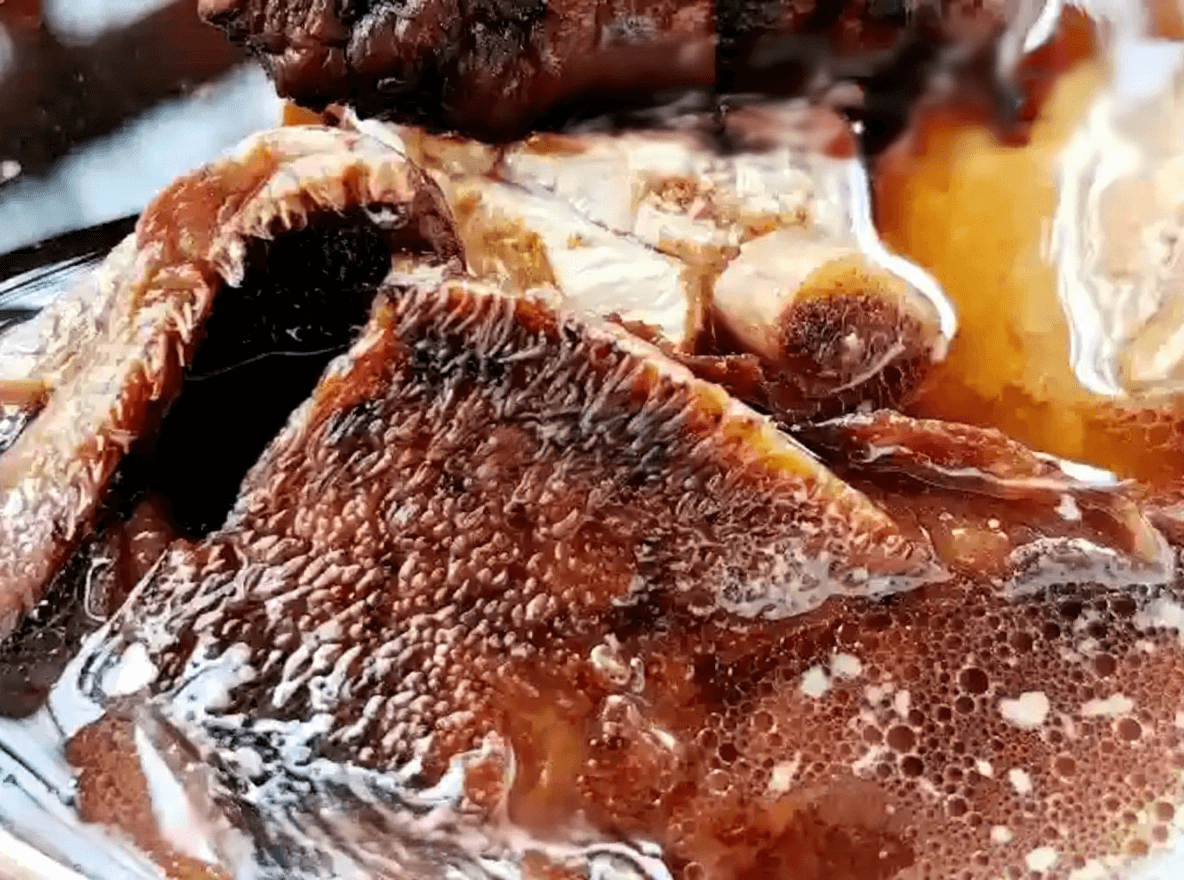
When stewing ribs, if tangerine peel is unavailable, can orange peel be used as a substitute? The answer is yes, but with differences depending on the context.
Tangerine peel is made from orange peel, which undergoes a long aging process. After aging, the nutritional components of tangerine peel and fresh orange peel change significantly. From a health-preserving perspective, orange peel cannot fully substitute tangerine peel. However, if used solely as a seasoning for flavoring and removing fishy odors in stewed ribs, the effects of fresh orange peel and tangerine peel are quite similar.
It is important to note that when using fresh orange peel, the quantity should not be excessive. Compared to aged tangerine peel, fresh orange peel is more stimulating, so the dosage should be reduced to avoid affecting the taste.
If the purpose of making tangerine peel cuisine is for health preservation, then fresh orange peel cannot replace tangerine peel. The two differ in their effects: fresh orange peel does not possess the unique significant benefits of aged tangerine peel, such as harmonizing the spleen and stomach, dispelling dampness, resolving phlegm, and relieving cough.
In summary, when stewing ribs, if it's merely for flavoring and deodorizing, fresh orange peel can be a substitute for tangerine peel; but if health-preserving benefits are sought, fresh orange peel cannot replace tangerine peel.