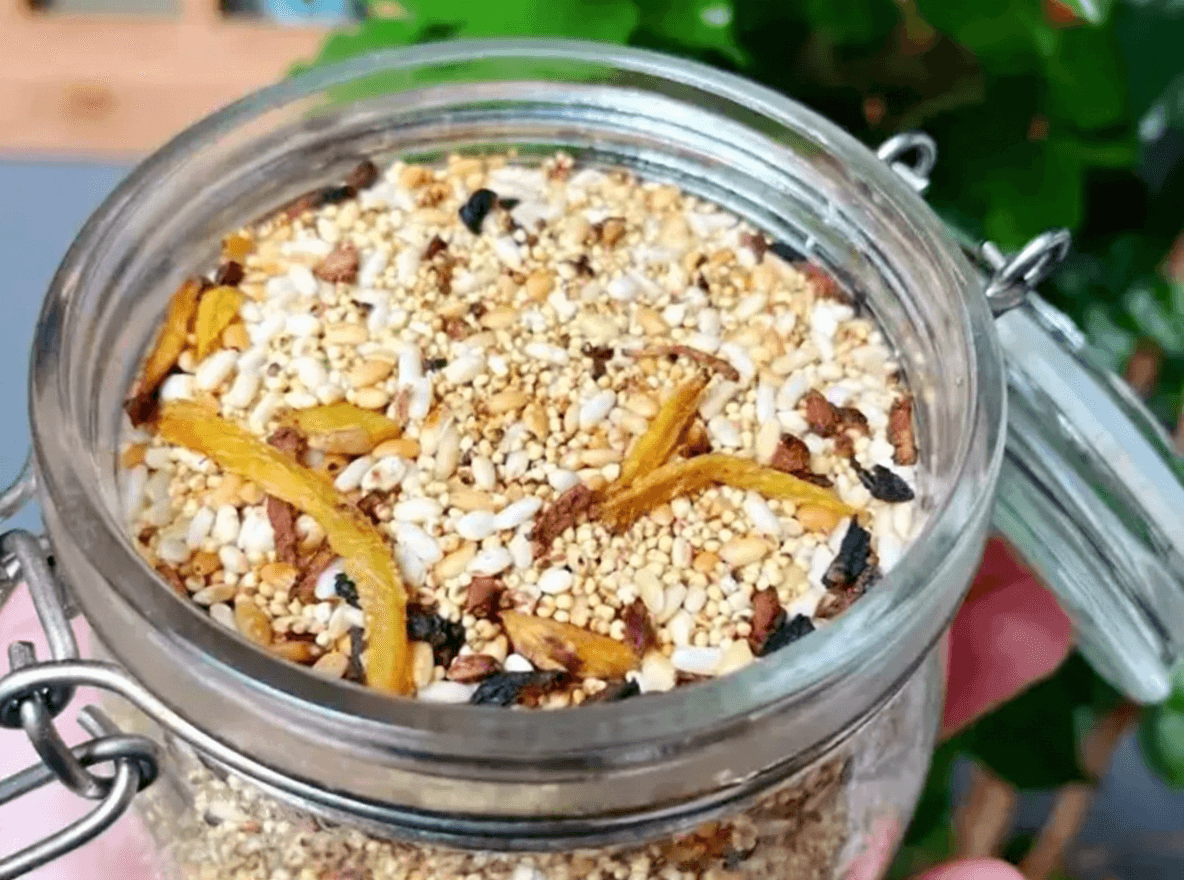
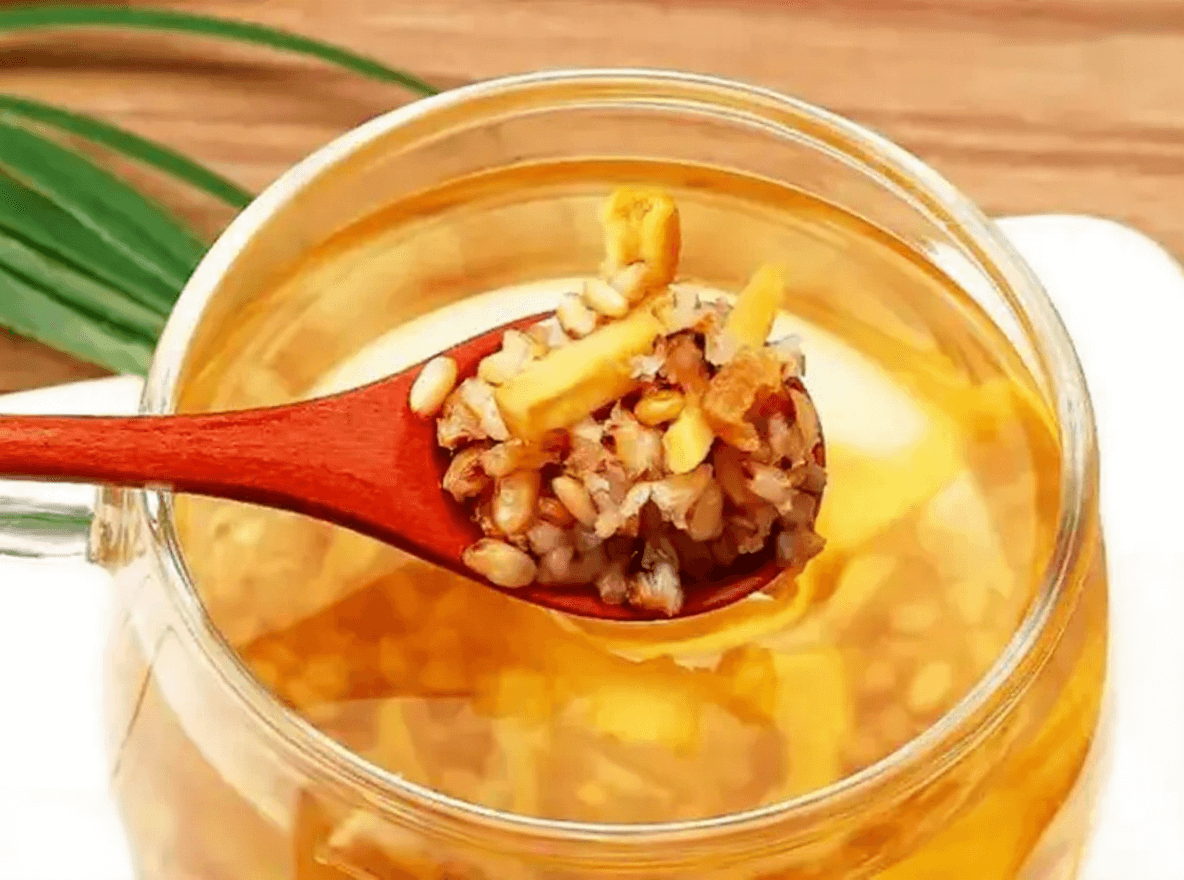
Tangerine peel ginger rice tea generally does not cause internal heat, but excessive consumption may still lead to it, as tangerine peel is warm in nature. As long as one consumes it in moderation daily, there is no need to worry about internal heat.
Tangerine peel is slightly warm and drying in nature, emitting a faint fresh aroma, making it suitable for brewing tea. It can strengthen the spleen, regulate qi, dry dampness, and resolve phlegm. Ginger is also warm, possessing the effects of dispelling cold, warming the stomach, and stopping vomiting. When tangerine peel and ginger are combined, they jointly exert effects in dispelling cold and strengthening the spleen. However, as both are warm ingredients, excessive consumption can indeed lead to internal heat.
Consumption Methods for Tangerine Peel Ginger Rice Tea
It is recommended to drink tangerine peel ginger rice tea once a day, with an amount of 200-300 milliliters being appropriate. The best time to drink it is 1-2 hours after meals. Since both tangerine peel and ginger are warm Chinese medicinal herbs, excessive consumption may lead to certain side effects, such as internal heat. Therefore, it is crucial to pay attention to the dosage.
How to Prepare Tangerine Peel Ginger Rice Tea
Wash ginger and slice it finely. Soak tangerine peel in warm water, then slice it finely. First, stir-fry the ginger slices until semi-dry. Then add rice and stir-fry together. When the rice turns slightly yellow, add the tangerine peel and continue to stir-fry. Continue frying until the rice is golden brown and both ginger slices and tangerine peel are dry. For consumption, steep it with boiling water, or boil it in a health pot for 10 minutes.