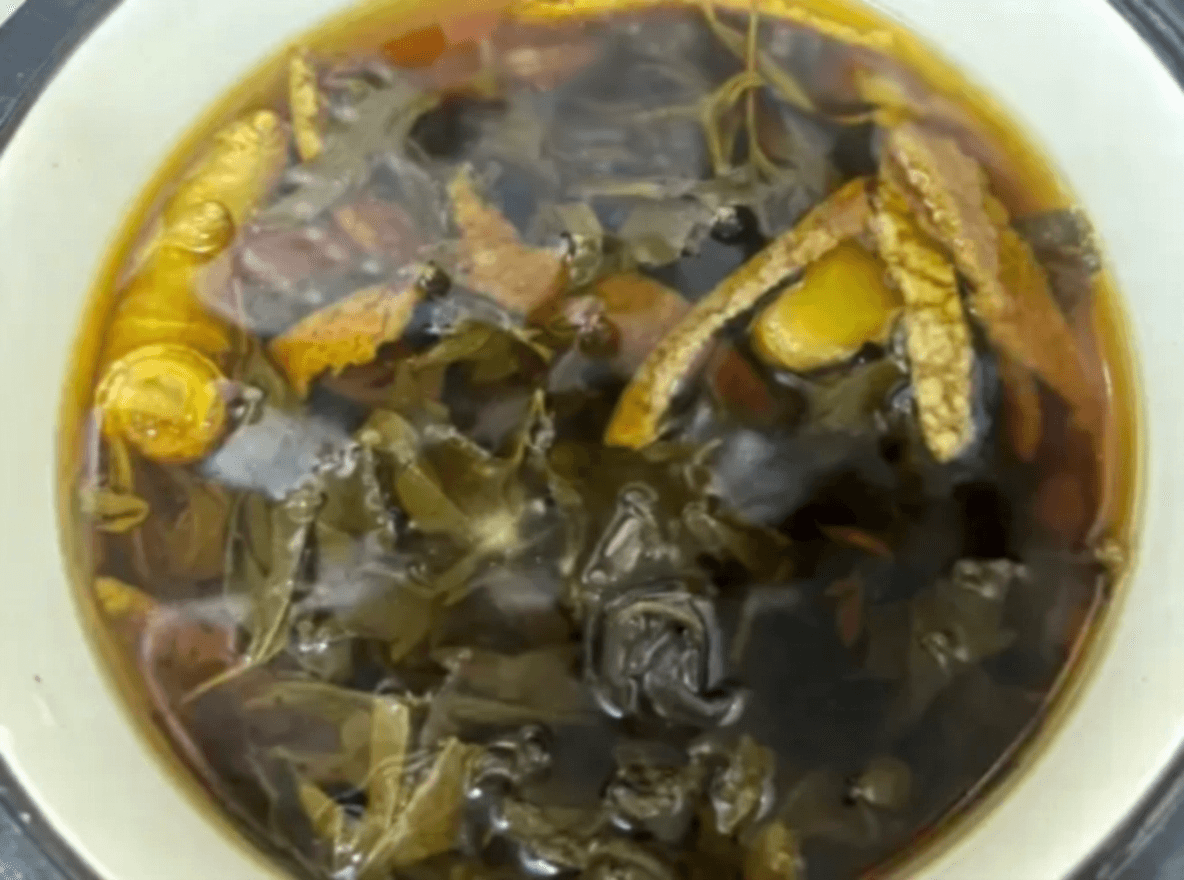
Chenpi, ginger, and mugwort (Ai Ye) are traditionally regarded as warming ingredients and are sometimes brewed together. The following is a neutral summary of traditional usage directions; intake and dosage should be based on individual constitution under professional guidance.
Traditional usage directions
- Supporting digestion and appetite
In traditional descriptions, chenpi is commonly associated with regulating qi and the spleen and resolving dampness and phlegm; ginger is often used to warm the middle and ease nausea; mugwort is associated with the spleen. The blend is often used in daily formulas for abdominal fullness, poor appetite, and cold-leaning digestion.
- Dispersing cold
Ginger is traditionally used to disperse external cold, and mugwort is associated with warming and easing pain. This combination is commonly used in traditional formulas for wind-cold discomfort, lower abdominal cold pain, and cold-related menstrual irregularities.
- Warming the channels
Traditional usage attributes warming and channel-regulating properties to mugwort, warming and pain-relieving properties to ginger, and qi-regulating properties to chenpi. The blend is therefore used in traditional formulas for cold-related menstrual discomfort or cold-induced stagnation.
- Resolving dampness and phlegm
Chenpi and ginger are traditionally used in formulas aimed at resolving dampness and phlegm and warming the lungs, and are associated with cold phlegm and cough with phlegm.
Overall, this infusion reflects traditional pairing practices. Whether it is suitable for long-term use depends on individual constitution, season, and needs. For specific symptoms or health concerns, consult a professional before use.