
Chenpi, hawthorn, goji berries, and longan are often regarded as food-herb ingredients and are commonly simmered together. The following is a neutral summary of traditional properties and usage directions. Intake should be based on individual constitution and needs, under professional guidance when necessary.
Traditional properties and common uses of hawthorn
Hawthorn is the dried mature fruit of Crataegus pinnatifida or Crataegus, traditionally described as slightly warm in nature and sour-sweet in taste, associated with the spleen, stomach, and liver channels. Common traditional directions include supporting digestion, regulating qi and stasis, and addressing turbidity and lipid-related patterns.
Traditional usage often includes formulas for heavy food intake, abdominal fullness, and diarrhea-related discomfort, as well as stasis-related patterns. Charred hawthorn is commonly described as stronger for digestion.
Traditional properties and common uses of goji berries
Goji berries are the dried mature fruit of Lycium barbarum, traditionally described as neutral in nature and sweet in taste, associated with the liver and kidney channels. Common traditional directions include nourishing the liver and kidney and supporting essence and vision.
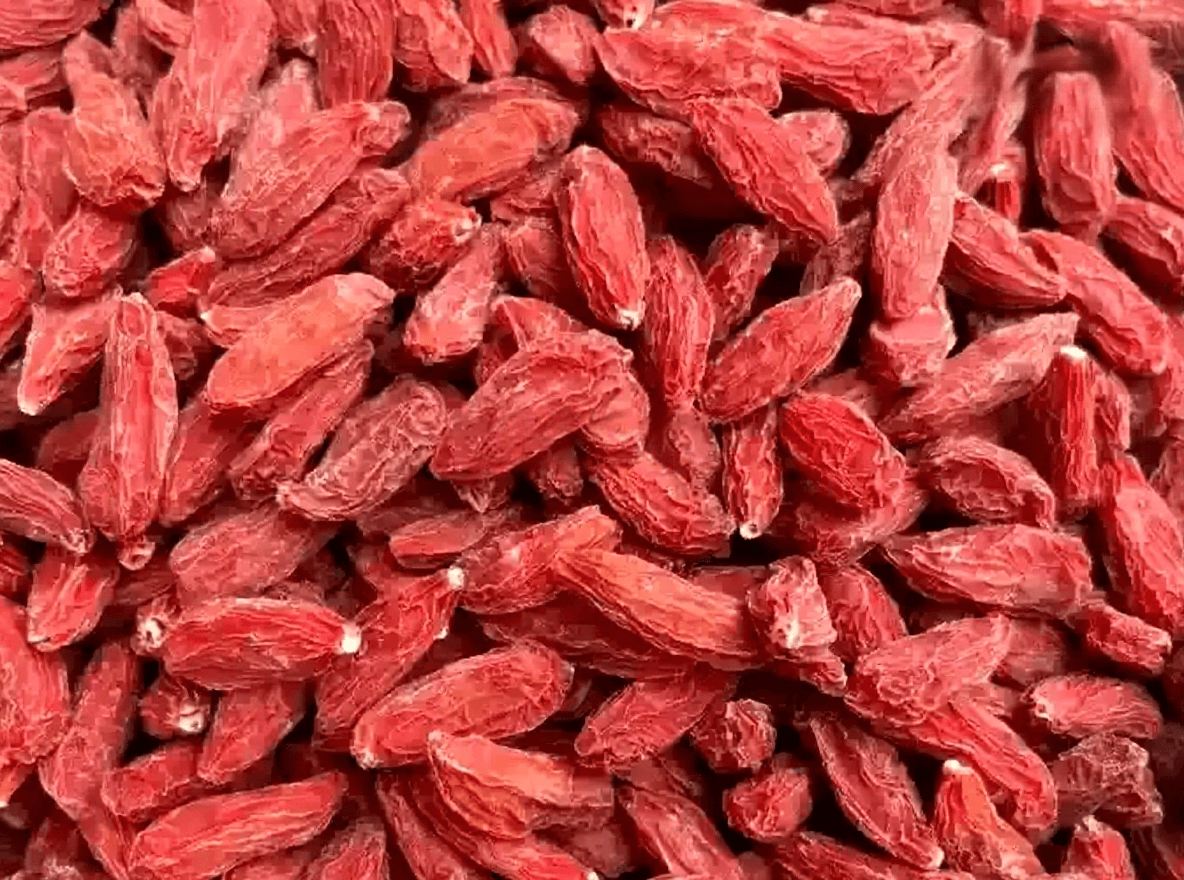
Traditional usage often includes patterns such as deficiency fatigue, sore lower back and knees, dizziness and tinnitus, internal heat with thirst, blood deficiency and sallow complexion, and blurred vision.
Traditional properties and common uses of longan
Longan aril (longan flesh) is traditionally described as sweet and warm, associated with the heart and spleen channels. Common traditional directions include supporting heart and spleen, nourishing blood and calming the mind, and relieving fatigue.
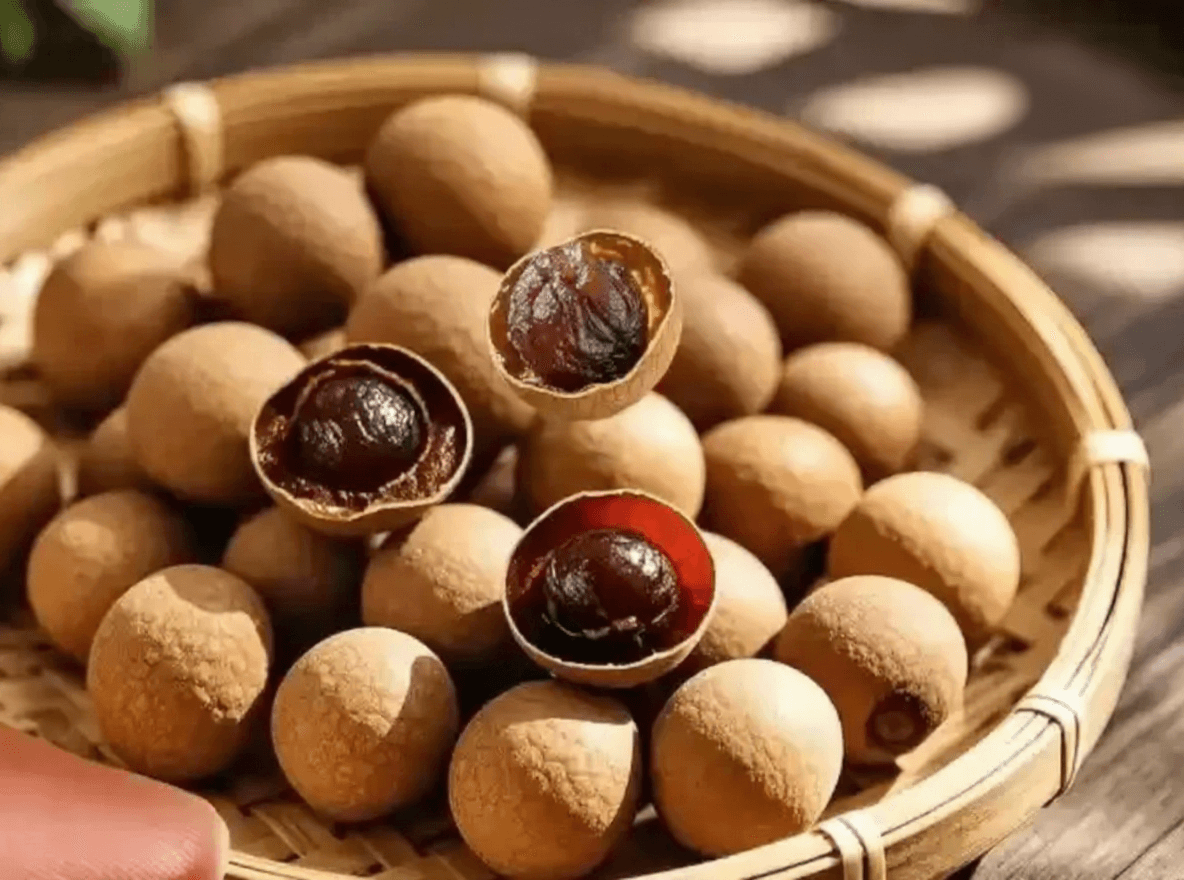
Traditional usage often includes patterns such as qi and blood deficiency, insomnia and forgetfulness, palpitations, sallow complexion, and fatigue.
Traditional usage direction for the four-ingredient blend
When simmered together, chenpi, hawthorn, goji, and longan are traditionally described as supporting digestion and appetite, regulating qi and stasis, nourishing the liver and kidney, and supporting heart and spleen. These directions are commonly associated with abdominal fullness, poor appetite, stasis-related patterns, deficiency fatigue, dizziness, and blurred vision in traditional usage.
Overall, this blend reflects traditional pairing practices. Whether it is suitable for long-term use should be judged by individual constitution, season, and diet. If adjusting taste, a small amount of rock sugar can be added; adding other herbs or flowers should be based on constitution and needs. For specific symptoms or health concerns, consult a professional before use.